
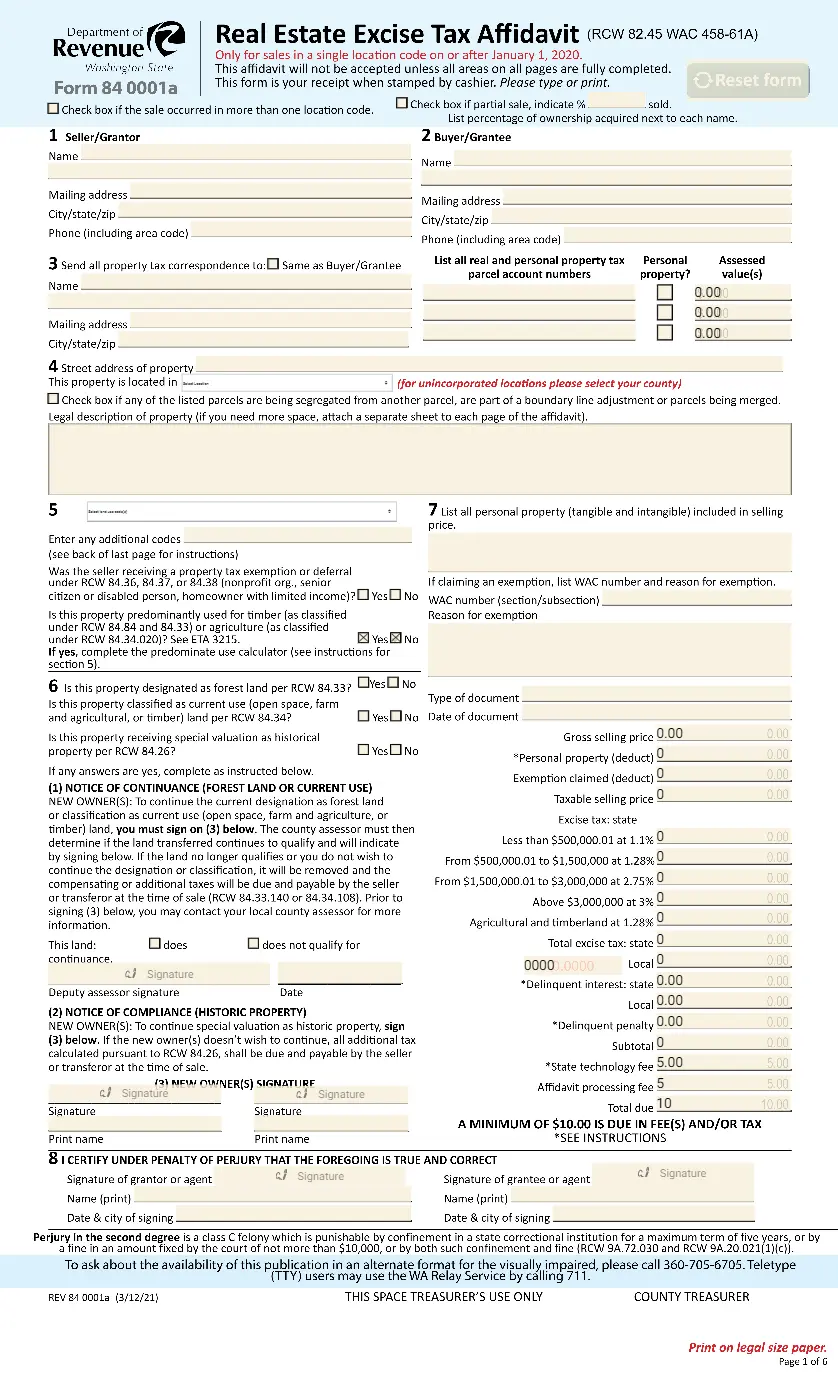
The Washington Real Estate Excise Tax Affidavit is a form that reports the excise tax on a real estate sale. If you are planning to sell a property in Washington, then the Real Estate Excise Tax has to be paid. The State Law of WA demands an Excise Tax Affidavit be completed and signed before the registration of the legal document of transfer of the ownership of the property. You can fill out this form one section at a time.
Last Updated: October 2026. This guide is reviewed and updated regularly to reflect current law. If you notice an error or outdated information, please contact us.
The Real Estate Excise Tax Affidavit form in Washington is a document that depicts the full amount of excise tax that is imposed on real estate. The tax is paid by the seller. The form lists the seller, the buyer, the type of property, and a full description of it. It also records the tax figures and other payments tied to the property.
Gather these details before you start. Having them at hand lets you fill out the form in one sitting and keeps the names, addresses, and amounts the same from one section to the next. Here is what to collect:
The Tax Affidavit itself has many sections and subsections, so one must be careful while filling it out.
This walkthrough uses the single location affidavit. Nevertheless, there are other types of this document, for example, Multiple locations Affidavit and Real Estate Excise Tax Mobile Home Affidavit, and additional papers might be required to be filed for such forms.
We recommend using our modern form-building software to ensure the best result in form completion.
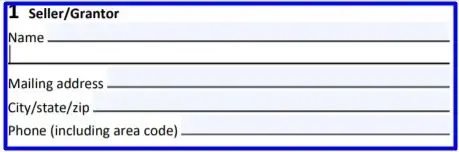
Enter the seller’s full legal name, mailing address, street address, and phone number. The seller is the person giving up their interest in the property.
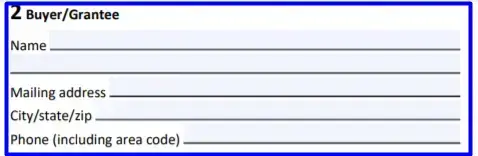
Enter the buyer’s full legal name, mailing address, street address, and phone number.
Enter the new taxpayer’s full legal name, mailing address, and street address. Then, you will have to list all real and personal property tax parcel account numbers, they should contain 11 digits. Say whether it is personal property, then type in the estimated value of the property.

Enter the property address and location, then add the legal description of the property.

The codes themselves can be found on the official instructions page. Then, tick the appropriate boxes below:
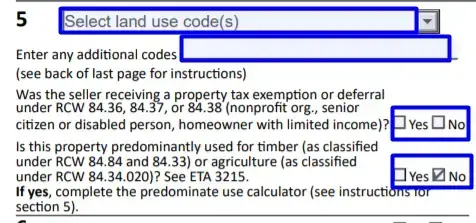
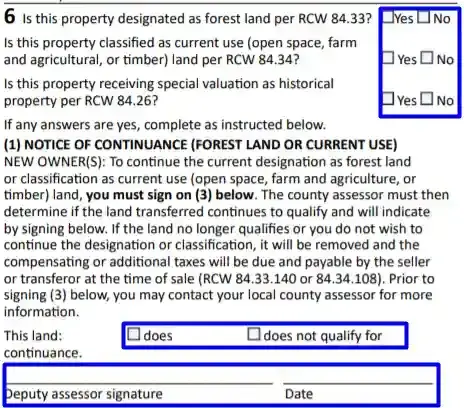
Tick ‘Yes’ or ‘No’ for each subquestion. Tick ‘Yes’ in case the property is in any specific use classification, for example, agricultural use, farm, historic property, or timber.
If you chose the ‘Yes’ option for any of the questions listed, make sure to see the instructions below and complete an additional segment connected with specific land use. Do not forget to put the legal names and signatures of the new owners in case you chose to fill out this section.
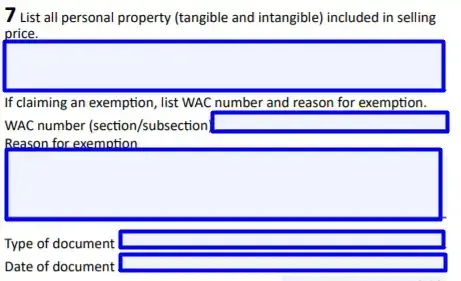
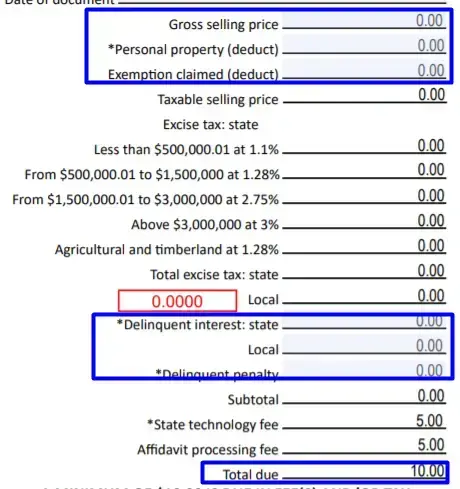
Work through the personal property and price lines in order.
Both the buyer and the seller will have to sign the paper. Also, make sure to indicate the full legal names of the seller and the buyer, the current date, and the city where the document is signed.

Here is how sample answers might look in the first four sections of the form. The names, addresses, and amounts are made up, so replace them with the details from your own sale.
| Section | Field | Sample entry |
|---|---|---|
| 1 | Seller’s full legal name | Anna Baker |
| 1 | Seller’s mailing address | 123 Main Street, Springfield |
| 2 | Buyer’s full legal name | Michael Carter |
| 2 | Buyer’s mailing address | 456 Oak Avenue, Riverton |
| 4 | Address of the property | 789 Pine Road, Springfield |
| 7 | Gross selling price | $350,000 |
Most mistakes on this form are small ones that are easy to catch. A quick review before you sign saves you from starting over with a fresh copy, so read each section once more with your deed and purchase agreement in front of you.
The steps above use the single location affidavit. If your sale involves several properties or a mobile home, find the version of the form made for that case and read its own instructions.
Yes. Our form-building software lets you type your answers, review them, and then save or print the finished form.
The codes are listed on the official instructions page for the form. Look up the code that matches how the property is used, then enter it in Section 5. Keep the instructions page open while you fill in this part.
Read each section once more and compare these items with your deed and purchase agreement:
Keep a signed copy for your records.
Check your deed, purchase agreement, or property tax statement first. If the number is still missing, ask your real estate agent or attorney before you fill in that line.
The Treasurer’s office is the place to ask about the amounts on the tax lines. A legal forms specialist can also go through the form with you. Take the form and your deed along.
General information, not legal or tax advice.
