
A Florida lady bird deed is a written deed, also called an enhanced life estate deed, that names who receives a property. The owner who signs it is the grantor, and the person named to receive the property is the beneficiary. Florida has no statute that defines the lady bird deed. The free FormsPal template below lets you fill in the deed online and download it as a PDF.
Last Updated: October 2026. This guide is reviewed and updated regularly to reflect current Florida law. If you notice an error or outdated information, please contact us.
Build Your Document
Answer a few simple questions to make your document in minutes
Save and Print
Save progress and finish on any device, download and print anytime
Sign and Use
Your valid, lawyer-approved document is ready
Four rules matter most when you sign a deed in this state. The list below covers witnesses, acknowledgment, recording and homestead property, and it points to the statute or constitutional provision behind each rule, which also applies to any lady bird deed.
A Florida deed must be an instrument in writing. The grantor, or the grantor's lawfully authorized agent, signs it in the presence of two subscribing witnesses. A subscribing witness is a witness who also signs the deed. This rule covers a freehold estate and any interest for a term of more than 1 year.[1]
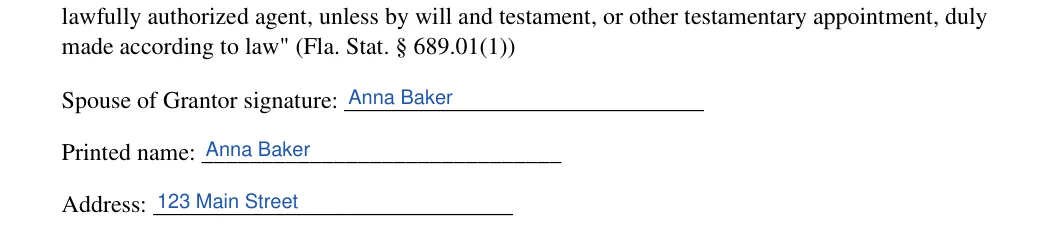
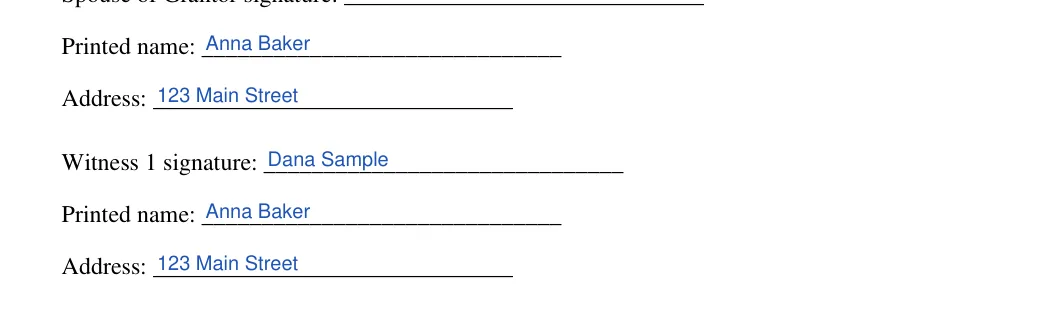
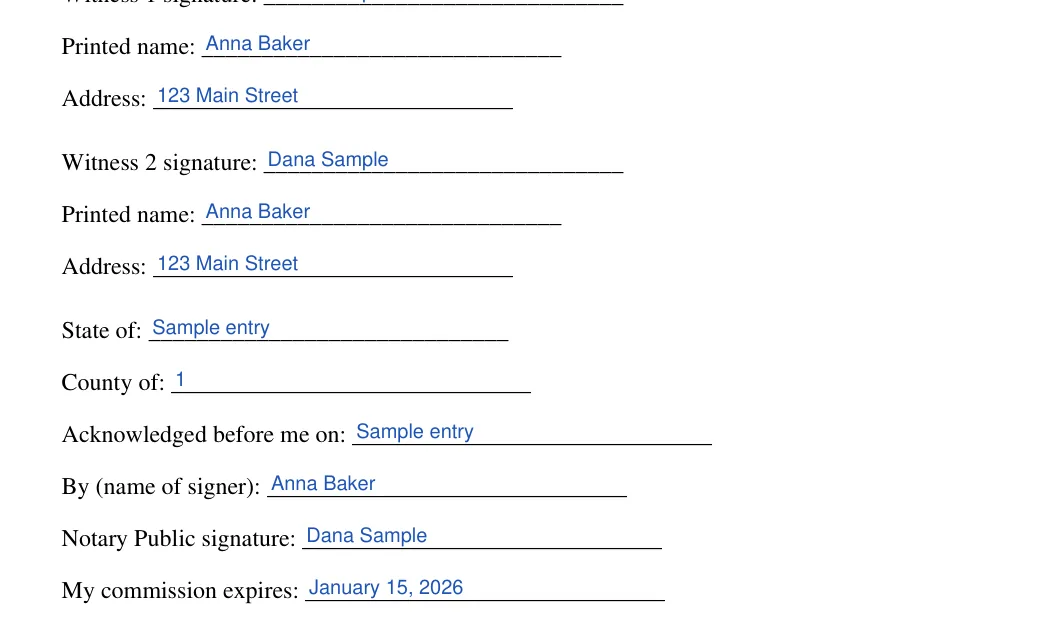
The FormsPal form has a witness block for each witness on page 2. Each witness signs and prints a name and address.
Section 695.03 of the Florida Statutes sets the rule for recording a deed. The statute says:
To entitle any instrument concerning real property to be recorded, the execution must be acknowledged by the party executing it, proved by a subscribing witness to it, or legalized or authenticated in one of the following forms:
So the person who signed can acknowledge the signing, or a subscribing witness can prove it. The deed can also be legalized or authenticated in a form the statute sets out.[3]
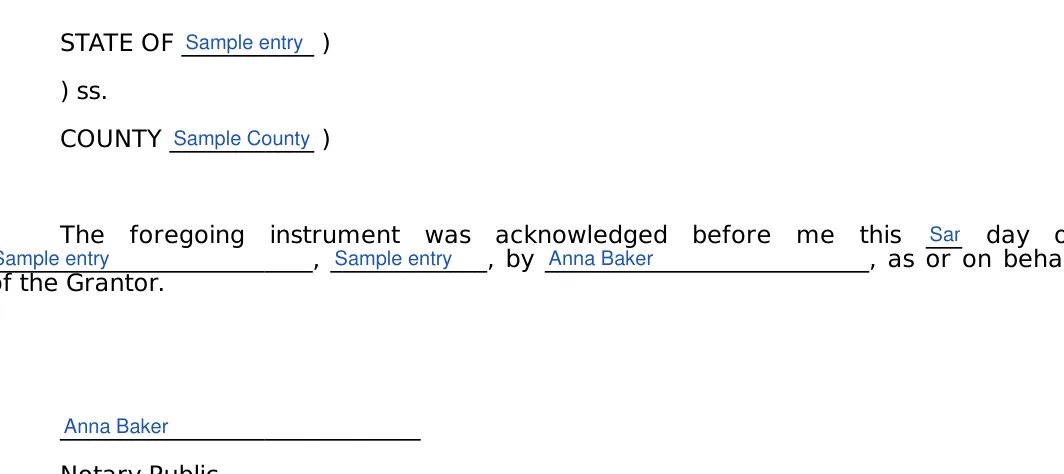
The FormsPal form has a notary acknowledgment block on page 3. The notary signs it and enters a commission expiration date.
Under Fla. Stat. 695.01, a conveyance, transfer or mortgage of real property is not good and effectual against creditors or later purchasers who pay a valuable consideration without notice, unless it is recorded according to law.[2] In plain words, an unrecorded deed does not protect the new owner against creditors or buyers who paid for the property and did not know about the deed.
Article X, section 4 of the Florida Constitution limits what an owner can do with homestead property.[4]
The owner, joined by the spouse if married, may alienate the homestead by mortgage, sale or gift. If married, the owner may by deed transfer the title to an estate by the entirety with the spouse. A homestead cannot be devised, meaning left in a will, if the owner is survived by a spouse or minor child. It may be devised to the spouse when there is no minor child.[4]
If the property is your homestead and you are married or have a minor child, these limits apply to it. Talk to a Florida attorney before you sign.
Prefer to build the deed online? Use the FormsPal builder below, or browse our other deed forms.
The FormsPal Florida lady bird deed template has 14 parts to complete across pages 1 to 5. Work through the steps in order. Each step names the page and the lines to fill in.
The screenshots under each step show the FormsPal Florida lady bird deed template filled with sample entries in blue, so you can see where each answer goes. The names, addresses, dates and amounts are examples only.
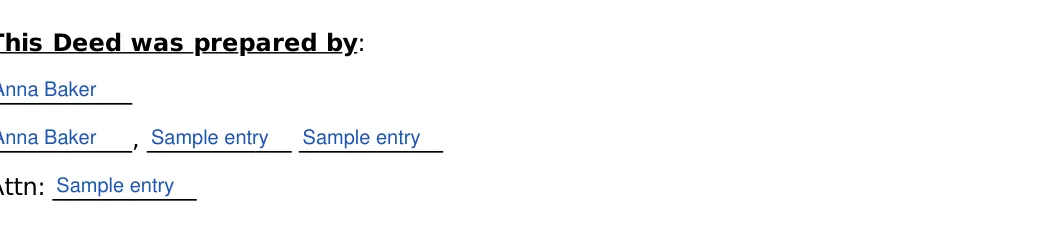
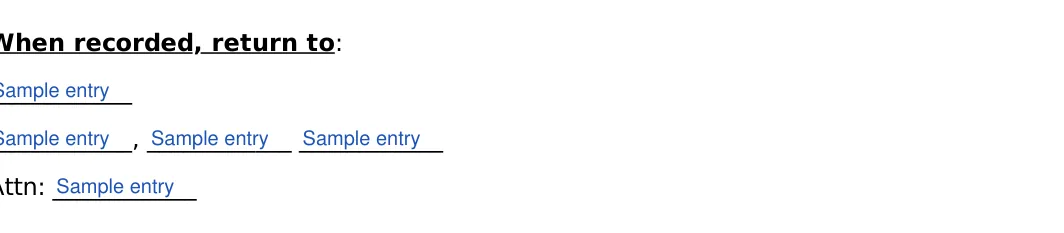

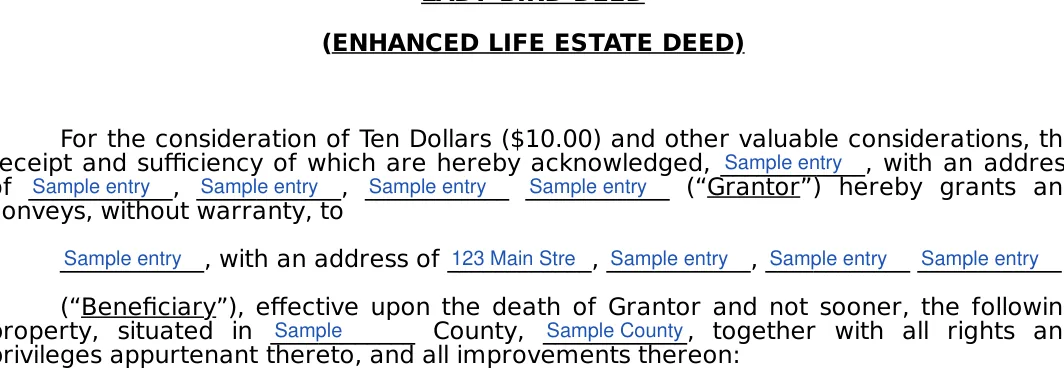






Do not write a Social Security number on the deed. Print every name the way it appears on your current deed so the records match.
These four questions come up most often when people sign a deed in Florida. The short answers below come from the state's statutes and constitution, and each one names the source it relies on.
Yes. A Florida deed must be in writing and signed in the presence of two subscribing witnesses. The grantor signs it, or the grantor's lawfully authorized agent does.[1]
Yes. To be recorded, the signing must be acknowledged by the person who signed or proved by a subscribing witness. It can also be legalized or authenticated in one of the forms the statute sets out.[3]
Unless it is recorded according to law, a conveyance of real property is not good and effectual against creditors or later purchasers who pay a valuable consideration without notice.[2]
Not by will, in these cases:
General information, not legal or tax advice.
Each bracketed number in the text above points to one of the entries below. The list names the Florida statutes and the constitutional provision that this page relies on for its legal statements.
