

Environmental health is one of the most pressing issues of our time, and paper waste accounts for a large share of the problem. Deforestation has long been a major environmental concern.
This ongoing forest loss pressures ecosystems, biodiversity, and the resources people depend on. Trees are rapidly disappearing, as naturally regenerating forest area declined by 324 million hectares between 1990 and 2025. Why is that an issue?
Forests help keep ecosystems healthy. They store carbon, provide homes for wildlife, protect the soil, and support water systems. When forest cover shrinks, those benefits shrink with it.
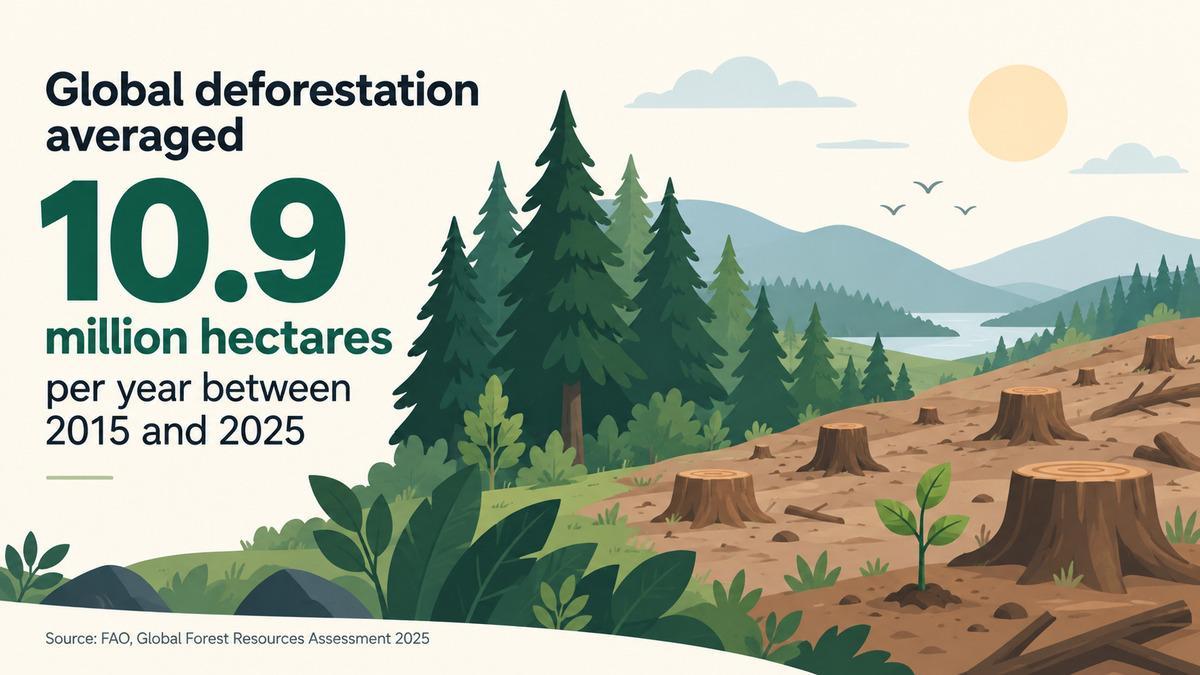
A forest takes a minimum of 30 years to regenerate to a fundamental level. That is, if all restorative practices are followed and the new plants are monitored constantly, which takes a tremendous amount of work and dedication. No matter how you look at it, chopping down a tree to print several drafts of a ten-page lease agreement is not justified in any way.
The issue with paper is that it requires large amounts of resources.
In recent years, our paper needs have ballooned. We print out various types of forms, from school enrollment documents to rental contracts, real estate planning forms, vehicle insurance, and numerous health forms.
While it may not seem like we are using that much paper, it all adds up. Every time we print an A4 sheet for our car insurance, we spend over two gallons of fresh water. And fresh water is scarce to begin with: it accounts for only about 2.5% of the water on Earth, most of it stored in glaciers, ice caps, or underground aquifers rather than the lakes and rivers we can actually reach.
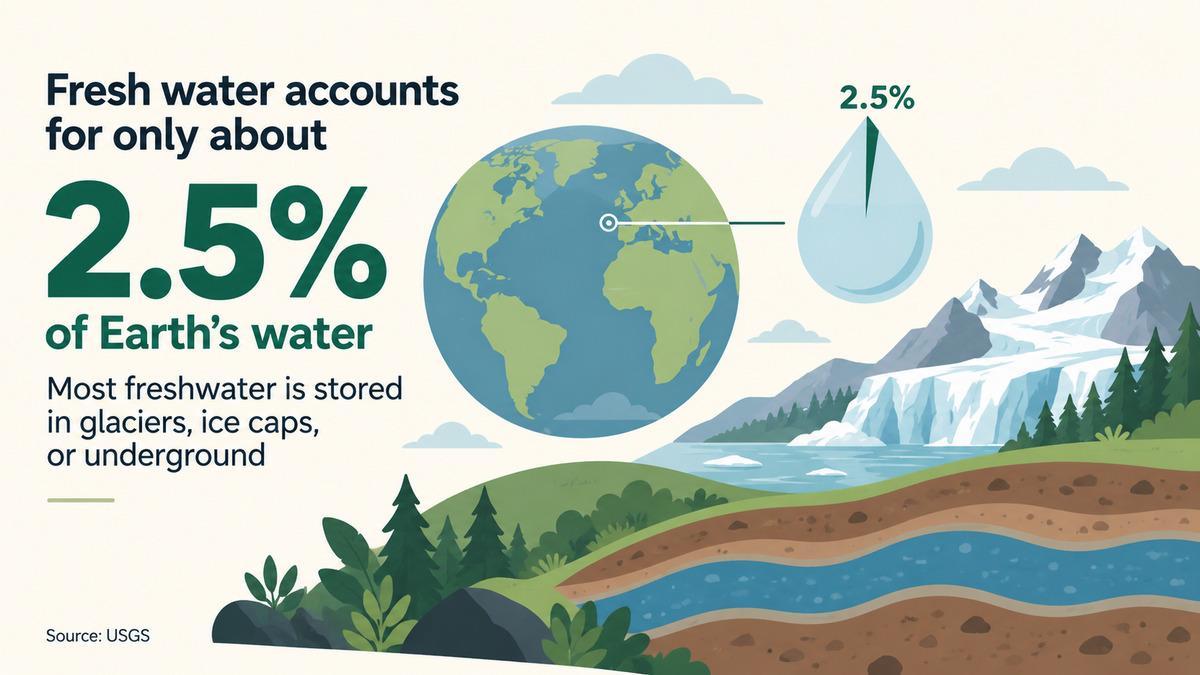
That scarcity is poised to become one of the most urgent health crises of our time, and it is already manifesting in developing countries, where locals must walk miles to reach a well that provides clean drinking water. While we may not yet see the astounding damage paper production is doing to our planet, we will feel it sooner or later.
As the economy grows, we need more paper to accommodate our needs, be it printing out forms to start our own businesses or contracts to hire employees.
According to the FAO, the largest producers of paper and paperboard are:
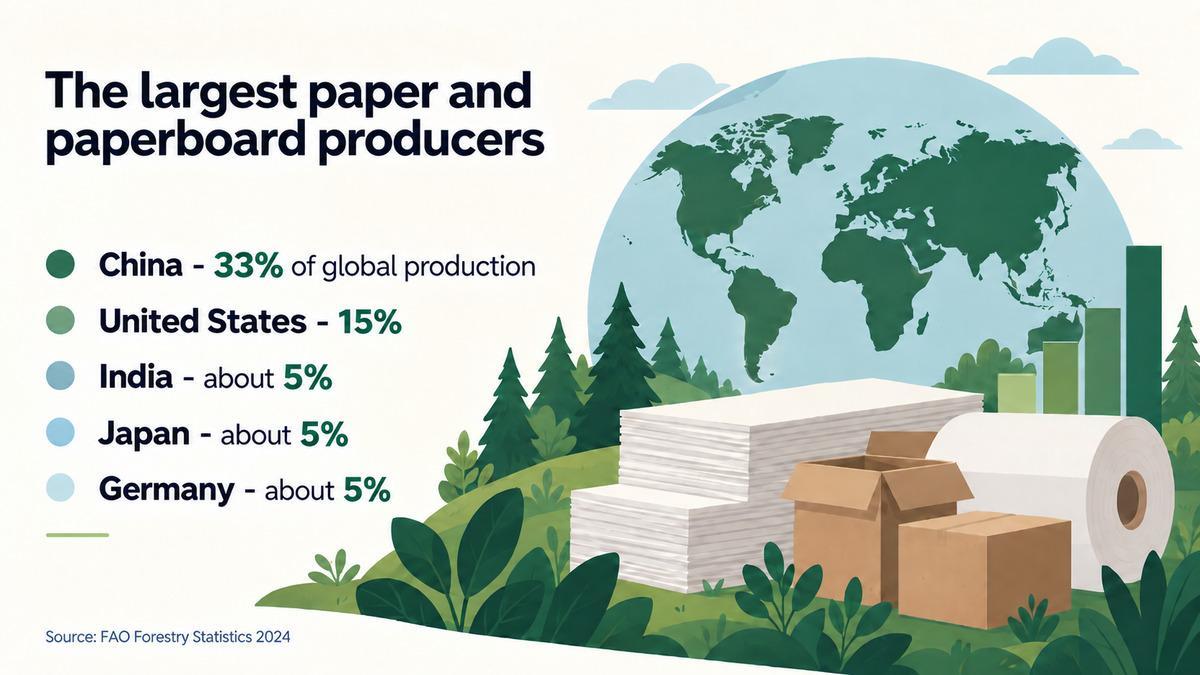
This level of consumption is anything but sustainable. Now, you may think, “Wait, but don’t we recycle?” Yes, recycling has helped reduce some of the environmental impact of paper production, but it doesn’t eliminate it.
Still, millions of tons of paper do not make it back into the recycling system each year.
But what if we could do better starting now?
What if you could make a difference?
Thanks to rapid technological development and global connectivity, more and more people are choosing to reduce their paper use, hoping to go completely paperless in the coming decades.
Businesses across industries, from finance to retail, are replacing printed forms with digital ones. Going paperless isn't only responsible. It's also easy to send a form from New York to Berlin in seconds and know your work is done.
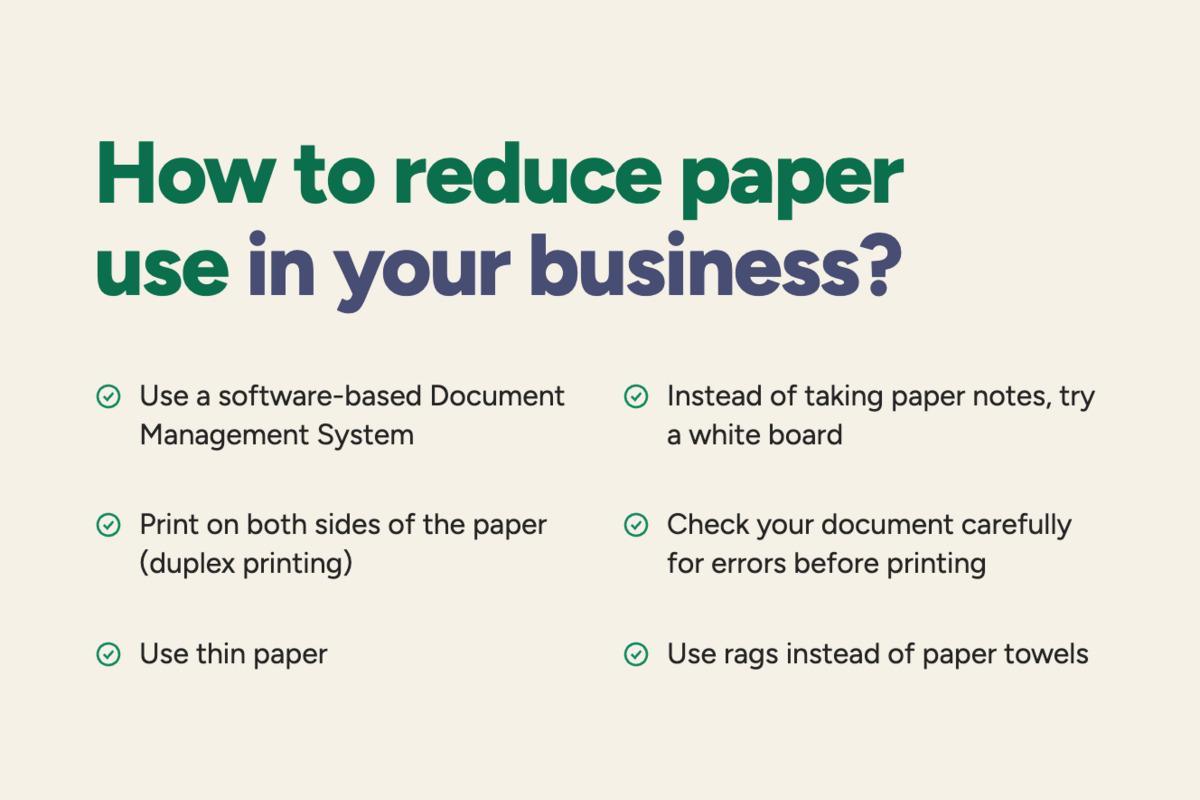
Reducing your paper use and opting for online documents instead will not only help protect the planet but also save you hundreds of hours.
What if you didn’t have to go buy paper and printer ink every year while doing your taxes? What if your landlord could email you the rental contract, which you could sign online and send back within seconds?
The forms that we most use in our daily lives boil down to a few key categories:
The good news is that there are resources providing high-quality forms and legal documents 100% digitally. Here’s how it works.
Your work supports cleaner, safer communities, and we’d like to give something back. Environmental agency employees can receive a free 3-month FormsPal subscription.
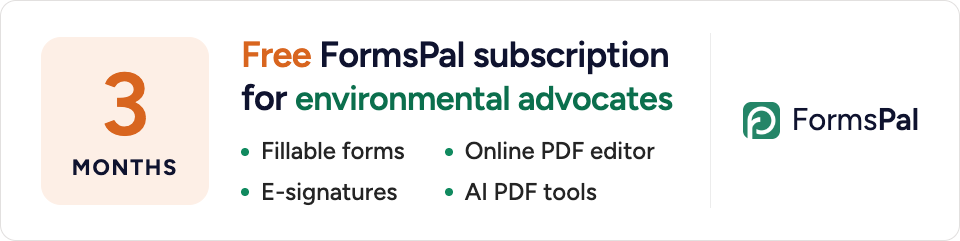
FormsPal brings thousands of fillable legal, business, tax, and personal forms together in one place. You can complete, edit, sign, and manage documents online whenever you need them. FormsPal also includes an online PDF editor with tools for converting, merging, splitting, and organizing PDF files.
To claim your free subscription, email support@formspal.com and let us know how you heard about this offer.
Using online documents and forms whenever possible is a convenient and eco-friendly alternative.
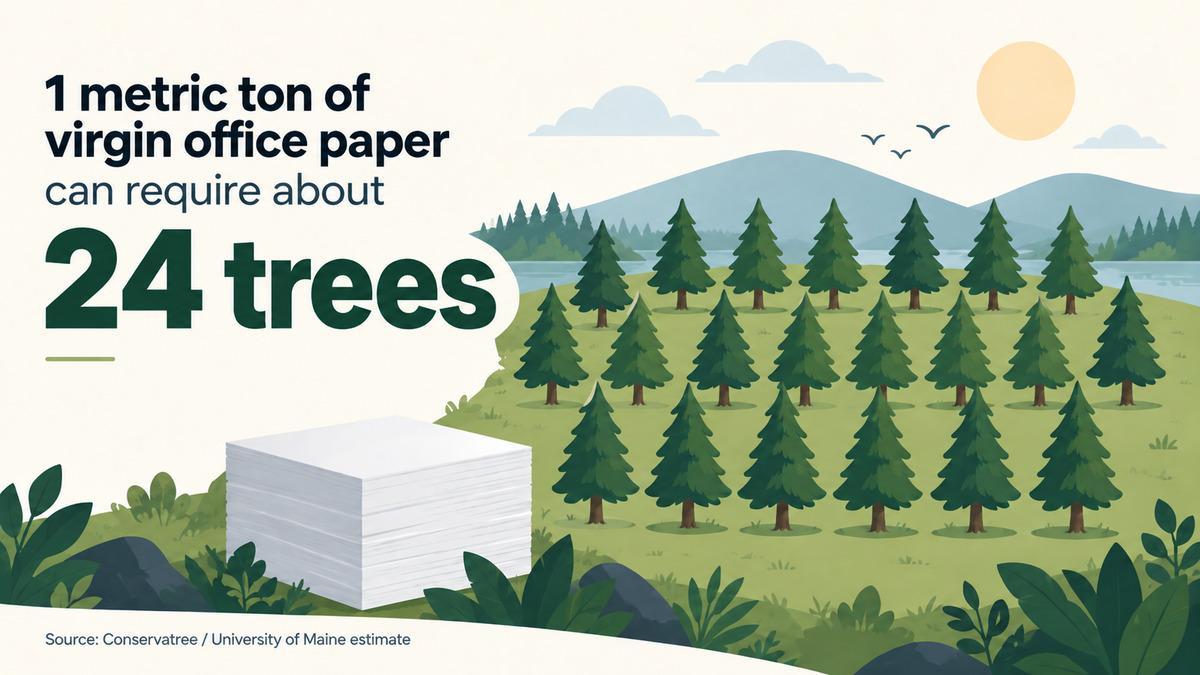
The world is slowly becoming more digital, allowing for online forms to replace the original paper-consuming version. This is a work in progress, so in some cases, such as a last will form of inheritance or a health care directive, you may still need to print the form.
That said, switching to online documents whenever possible will help greatly reduce waste and save you a great deal of time. In most cases, online forms and documents are virtually the same as the real thing. The only difference is the format. Online forms are quick and easy to access and take mere minutes to fill out, sign, and return. When they meet the applicable signing and filing requirements, these documents carry the same legal effect as paper versions.
Besides helping the environment, online forms can also help with environmental reporting, safety requirements, and required disclosures. Here are some of the PDF forms related to the ecology and environment:
Once you complete the right form, the next step is ensuring the signature is valid and secure.
If you’re signing a document online, is that as binding as the paper alternative? In short, yes.
Any time you use an online document, you validate the agreement in one of two ways: with your electronic or digital signature.
An electronic signature, or e-signature, shows that you have reviewed and agreed to a document. It can use verification methods such as email, a corporate ID, a password, or a PIN sent to your phone. You sign in the marked field on your screen, much like signing a paper document.
A digital signature is a more technical type of electronic signing method. It uses cryptographic technology to verify the signer and help confirm that the document has not been changed after signing. A digital certificate can also connect a public key to the identity of its owner.
Online documents are user-friendly. You can find detailed and easy-to-digest instructions on how to fill them out, so you don’t have to worry about getting lost in legal jargon.
The beauty of the digital space is that it provides solutions immediately, so you don’t have to think about wasting another pound of paper this year.
Related Posts: