

Discrimination and unequal treatment can affect many parts of everyday life, including employment, housing, and access to services. At the same time, people still need to handle wills, powers of attorney, rental agreements, property documents, and other important forms. Cost, work schedules, language differences, and access to in-person services may make some of these tasks harder.
Discrimination may be based on race, ethnicity, religion, sex, and other protected characteristics.
Luckily, awareness of these issues is growing over time, and the hardships minorities face are being recognized. One way these groups can gain an equal footing is by using online documents and forms for their legal needs.
Job opportunities still aren’t equal across racial and ethnic groups. A nationwide study of more than 83,000 fictitious job applications found that applicants with distinctively Black names were 2.1 percentage points less likely to receive employer contact than otherwise similar applicants with distinctively white names. The difference was equal to about 9% of the contact rate for applicants with Black names.
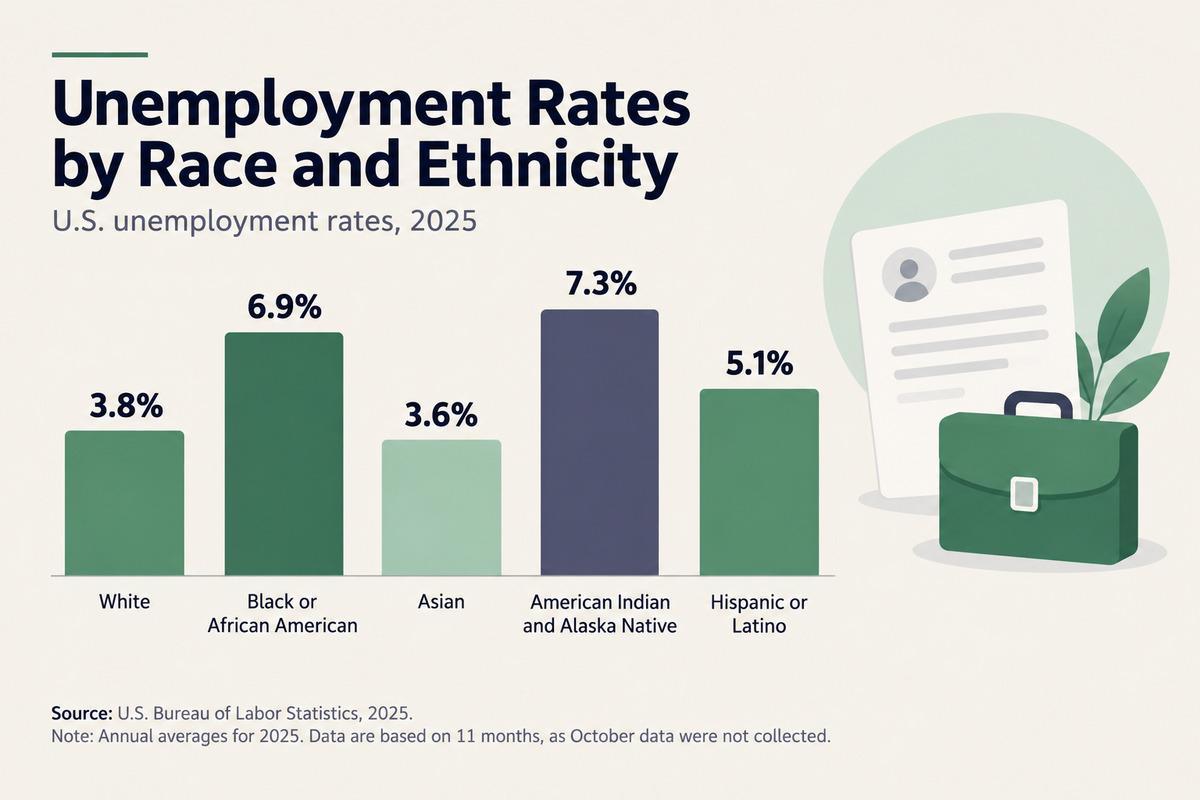
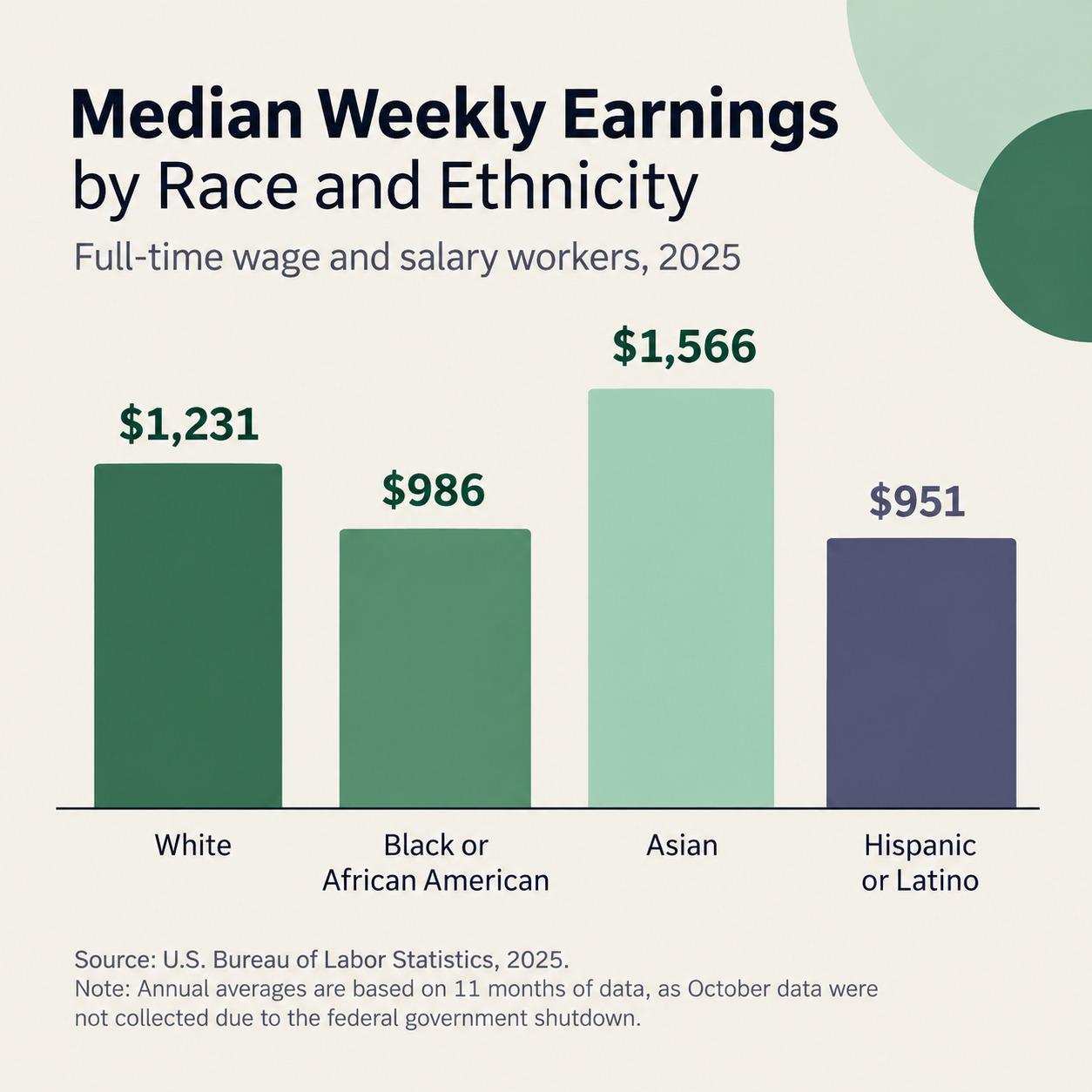
And pay differences also remain.
Income differences can make the cost of legal help harder for some households to absorb. The Legal Services Corporation found that 53% of low-income Americans were unsure or had little confidence that they could find an affordable lawyer if they faced a serious civil legal problem.
Lower-cost online documents may help with routine matters that don’t require individual legal advice. People may use them to prepare a power of attorney, living will, or other personal forms.
The pay gap can make legal costs harder to manage for some minorities. Lawyer fees add up quickly, especially when several documents or legal matters need attention at the same time. For people who already earn less on average, those costs may take a larger share of their income. And legal documents are only part of the picture. There may also be car insurance, property-related expenses, a power of attorney, and other costs to handle.
Online document services have made many commonly used forms easier to find and prepare without paying an attorney for every routine paper. Now, you may use document templates for housing, financial, family, and other everyday matters that you feel comfortable handling yourself.
Online forms offer another option for documents that people are comfortable preparing themselves, with templates and instructions available without paying an attorney by the hour.
Filling out a legal or financial form in a second language isn’t always easy. Some terms are hard enough to understand in English, and the pressure of sitting in an office while someone waits for an answer may make the whole thing even more uncomfortable.
Online forms give people more time to read through everything properly. They can go back over the instructions, check unfamiliar words, use a translation tool, or ask someone they trust to explain a confusing part before they submit the form. Less pressure to rush makes the process feel much more manageable.
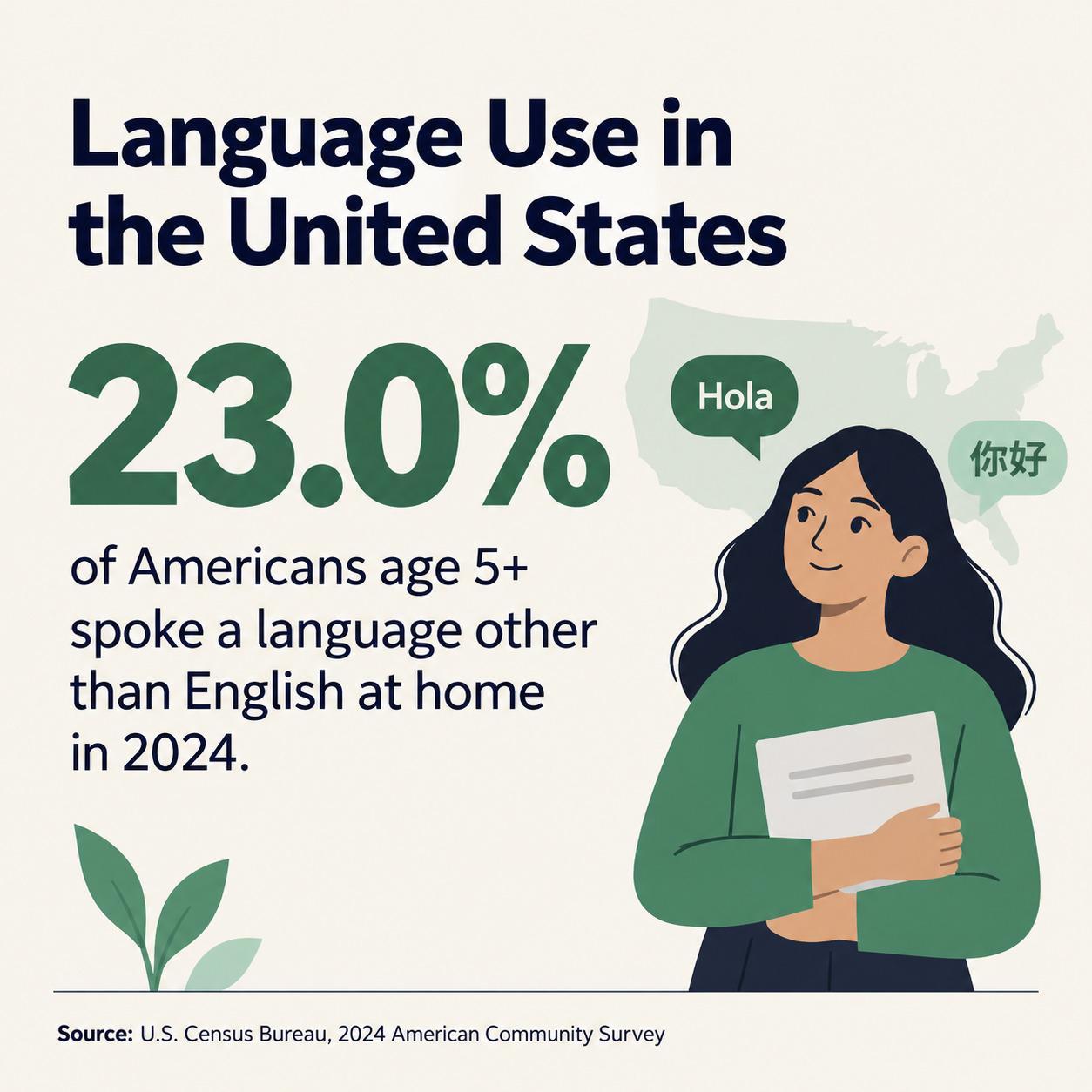
Also, visiting an office during business hours isn’t always easy. People with rigid schedules, limited paid time off, or other responsibilities may find it difficult to leave work for an appointment. Completing documents online gives them more control over when they handle routine paperwork.
Getting the right documents shouldn’t depend on where you live, when you can visit an office, or how much professional help costs. FormsPal makes thousands of forms available online and gives you tools to complete and manage them from one place.

You can fill out, edit, sign, and save documents for housing, work, finances, family matters, and other everyday needs. Built-in PDF tools also let you convert, merge, split, and organize files.
As part of this support initiative, we’re offering a free 3-month FormsPal subscription to visitors who find FormsPal through this page.
To claim your free subscription, email support@formspal.com and let us know how you heard about this offer.
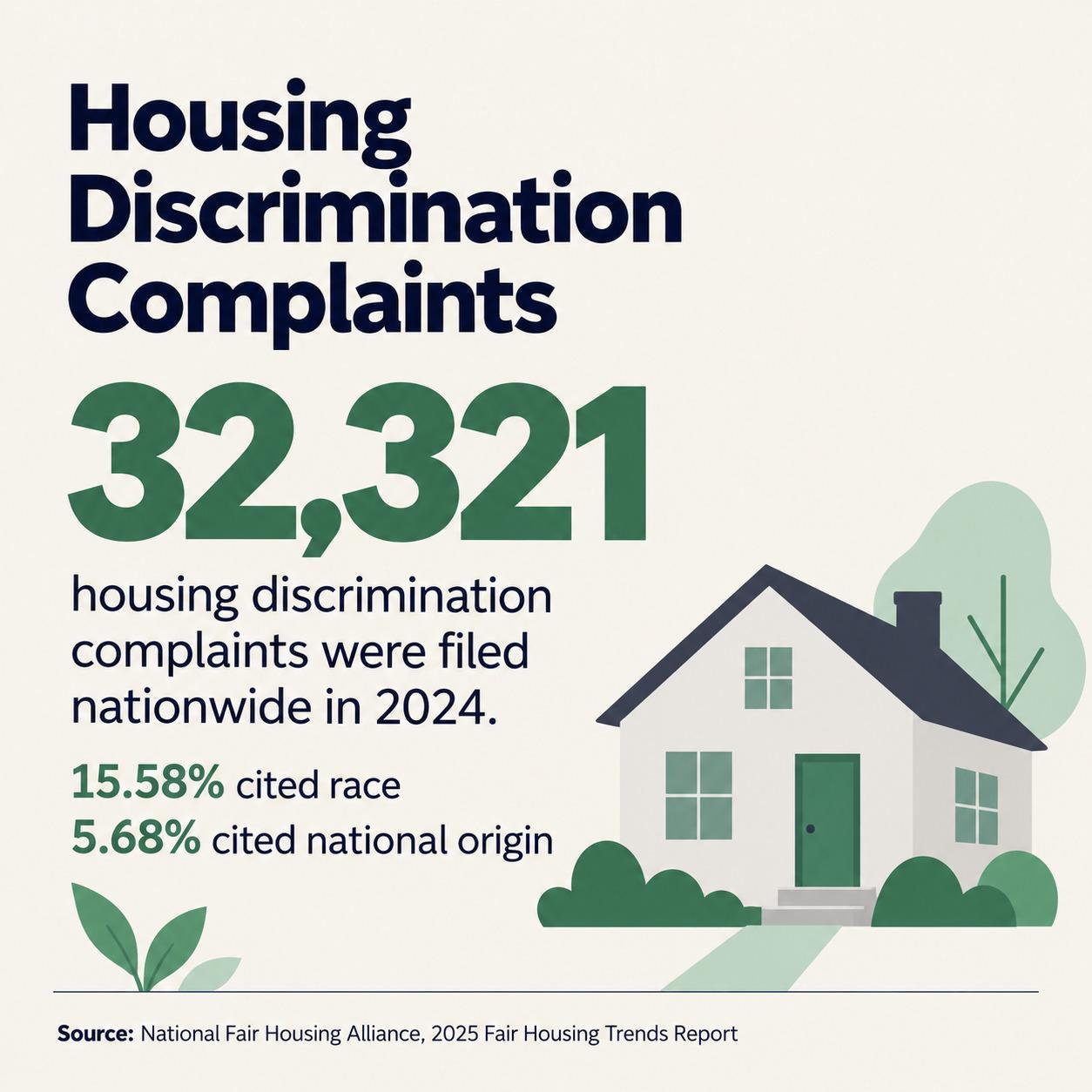
Housing discrimination may happen before a tenant ever signs a lease. It may involve different rental terms, extra requirements, or rejection based on race or national origin.
The type of rental agreement also depends on the living arrangement and the property being rented. Whatever the setup, the agreement should spell out the main terms and describe the property clearly, so there’s less room for disputes later.
Minority tenants may still face unfair treatment when looking for a home. Some may be offered different terms, asked for additional deposits, or presented with agreements that leave important details unclear.
It also helps to document the condition of the property before moving in and keep copies of rental records. Before signing, tenants should read the agreement closely and question anything that seems vague, one-sided, or different from what was discussed.
Minority groups may face discrimination in housing, employment, and other parts of everyday life. Having the right documents in place won’t prevent unfair treatment, but it gives people a written record of what was agreed to and may help if a problem comes up later.
This is especially useful with rental agreements, employment documents, powers of attorney, and other forms that spell out rights, responsibilities, or important decisions. Online access also gives people more time to read everything carefully, keep copies, and question terms that seem unclear.
For minority tenants, workers, and families, having those records close at hand may make it easier to respond when something doesn’t look right.
Related Posts: