

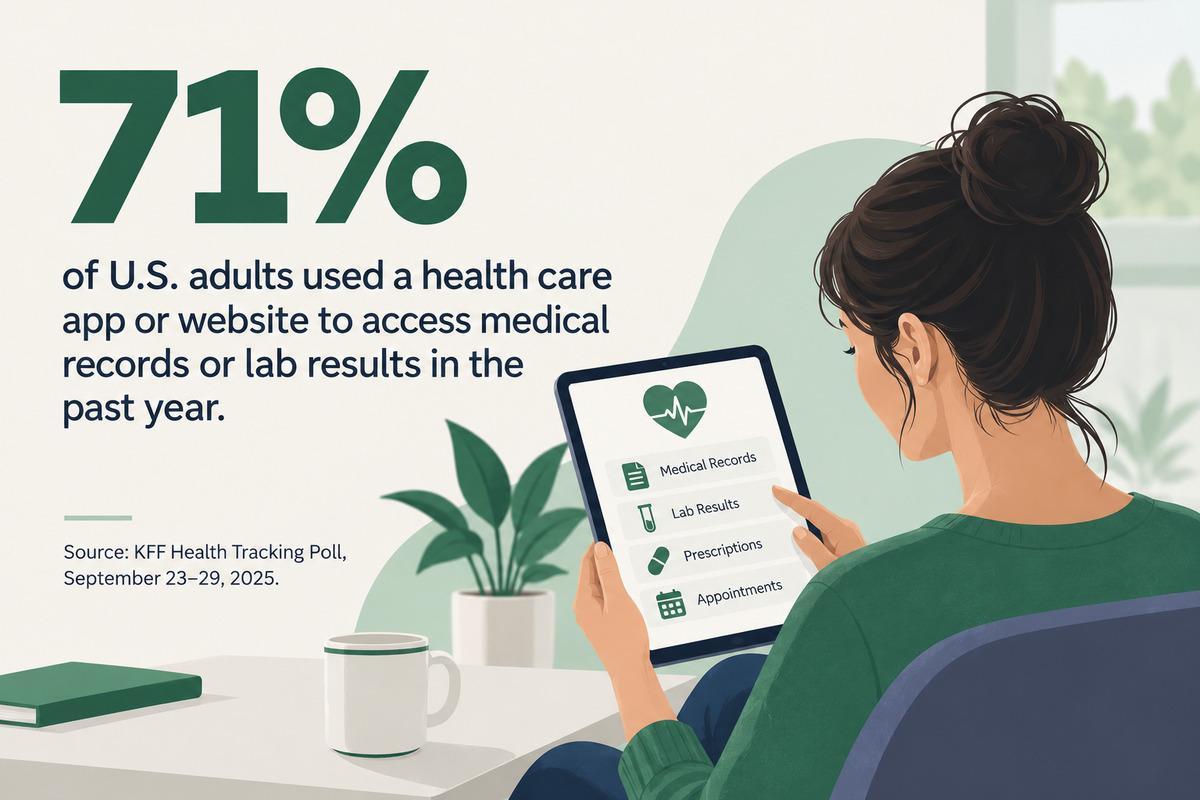
A lot of health care now happens outside the doctor’s office. We check test results, refill prescriptions, book appointments, message our providers, and handle forms from home, often on the same phone or laptop we use for everything else. That’s already part of everyday life for many Americans.
Some forms matter just as much as the appointments themselves. Medical release forms, health care powers of attorney, living wills, DNR orders, and consent forms all help put important choices in writing and make sure the right person has permission to step in when needed. Having these forms online simply makes them easier to find, fill out, and keep on hand.
Online forms cover a lot of everyday needs. You might use them:
For medical care, a few documents are especially useful to have ready. A medical power of attorney (POA), living will, do-not-resuscitate order (DNR), and health care proxy make your wishes clear and show who can speak for you if you’re ever unable to make decisions yourself. Having the right forms in place gives you and the people close to you a little more clarity when it matters most.
A power of attorney allows you to appoint someone you trust to act on your behalf. Depending on the type of POA and the powers you grant, that person may handle financial, property, or other legal matters for you.
A living will form conveys your wishes in case you need end-of-life medical care.
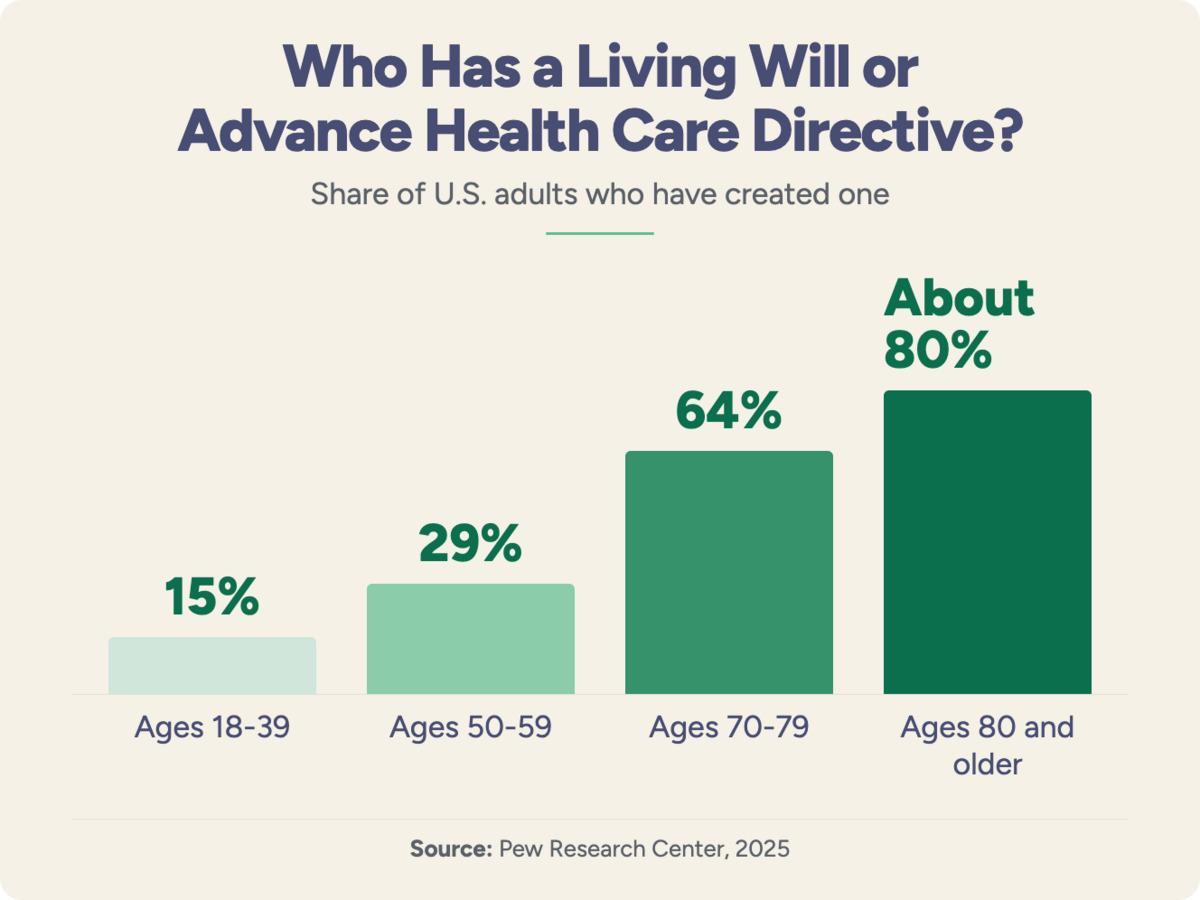
A living will directs doctors on how you want them to treat you if you’re unable to communicate your wishes. This form varies by state, so someone living in Maine will need a different document than someone in California.
If you move around a lot or simply prefer convenience, you can use online documents to create versions for different states without paying attorney fees each time or unnecessarily wasting paper.
A DNR order form is important for people who do not want CPR performed if their breathing stops or their heart stops beating. Someone may consider one because of a serious illness, advanced condition, or personal preferences about emergency treatment.
A DNR is a medical order written by a health care provider. It directs doctors, nurses, and emergency personnel not to perform cardiopulmonary resuscitation (CPR). CPR may include chest compressions, defibrillation, medications, and breathing support.
Without a valid DNR or similar order, emergency personnel generally begin resuscitation when appropriate.
CPR may save a life, but its chances of success and effects vary by health, age, medical condition, and circumstances. It may also cause injuries, so discussing the benefits and risks with a health care provider is worthwhile.
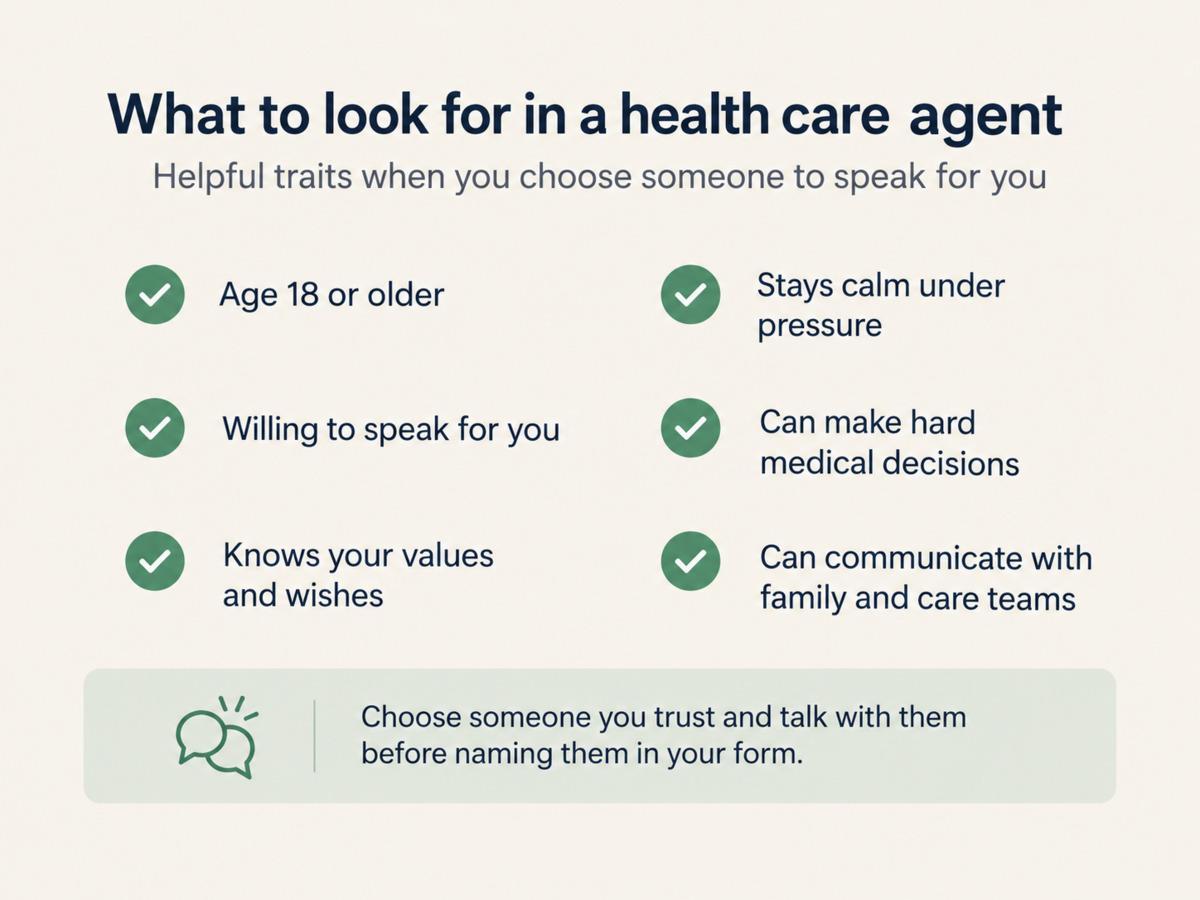
A health care proxy lets you choose someone to make medical decisions for you if you become unable to make or communicate those decisions yourself.
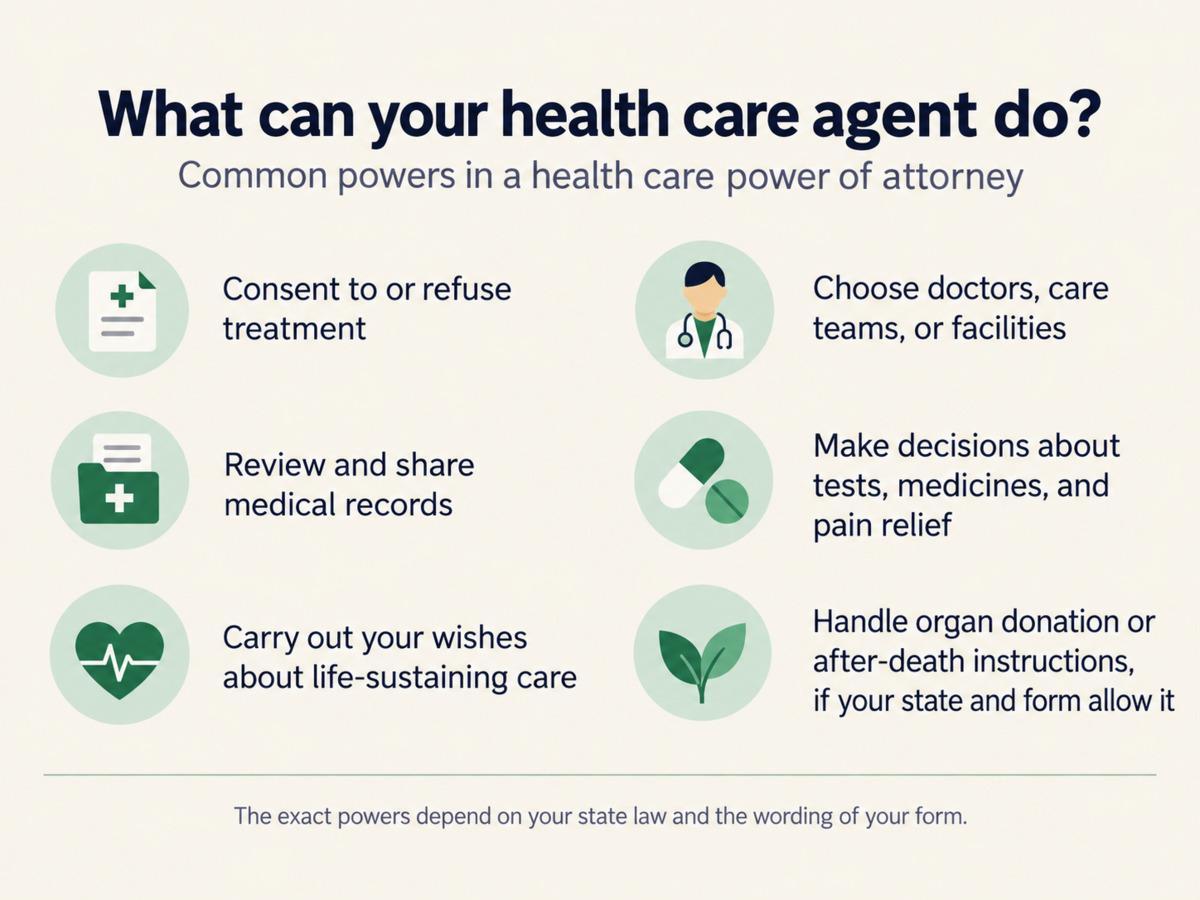
The document usually identifies your chosen representative and may include instructions about the authority you want that person to have. Requirements vary by state, so it’s important to use the appropriate form for where you live.
The health care proxy form includes providing data such as:
You can easily prepare the form online for convenience.
Health paperwork often comes with forms, records, authorizations, and other documents that need to stay organized. We’re offering a free 3-month FormsPal subscription to people who find FormsPal through this health-support page.

You can fill out, edit, sign, save, and manage health-related and personal documents online. FormsPal also includes PDF tools for converting, merging, splitting, and organizing files.
To claim your free subscription, email support@formspal.com and let us know how you heard about this offer.
Advance care planning isn't limited to older adults or people with serious illnesses. A medical emergency can leave someone unable to communicate their wishes at any age. Documents such as a living will or health care power of attorney let people record their preferences and name someone they trust to make medical decisions if needed. The National Institute on Aging recommends considering advance care planning regardless of age or current health.
Online access has made many health care forms easier to find and prepare from home. Advance directives generally don’t require an attorney, and many states provide official forms at no charge. However, depending on the document and state, you may still need witnesses or notarization.
Online forms also make it easier to prepare and store documents from home, while reducing the need to print multiple copies.
Some of the commonly used healthcare forms include:
One of the biggest advantages of online documents is that everything is easier to access. Instead of driving from one office to another, you can find the forms you need in one place and deal with them from home. For people in rural areas or smaller towns, that saves a long trip to the nearest city just to handle a few documents.
These days, finding the right legal form is often as simple as going online. Whether you need to handle something now or get a few things for later, most forms are only a few clicks away on your phone or computer.
Another benefit is the cost. Online forms are available for free, and large libraries like FormsPal offer thousands of legal documents without charging for access. That leaves more room in your budget for everyday expenses and other priorities instead of spending it all on document preparation.
Many documents can also be completed and signed electronically, which makes it easier to handle forms without printing and mailing them.
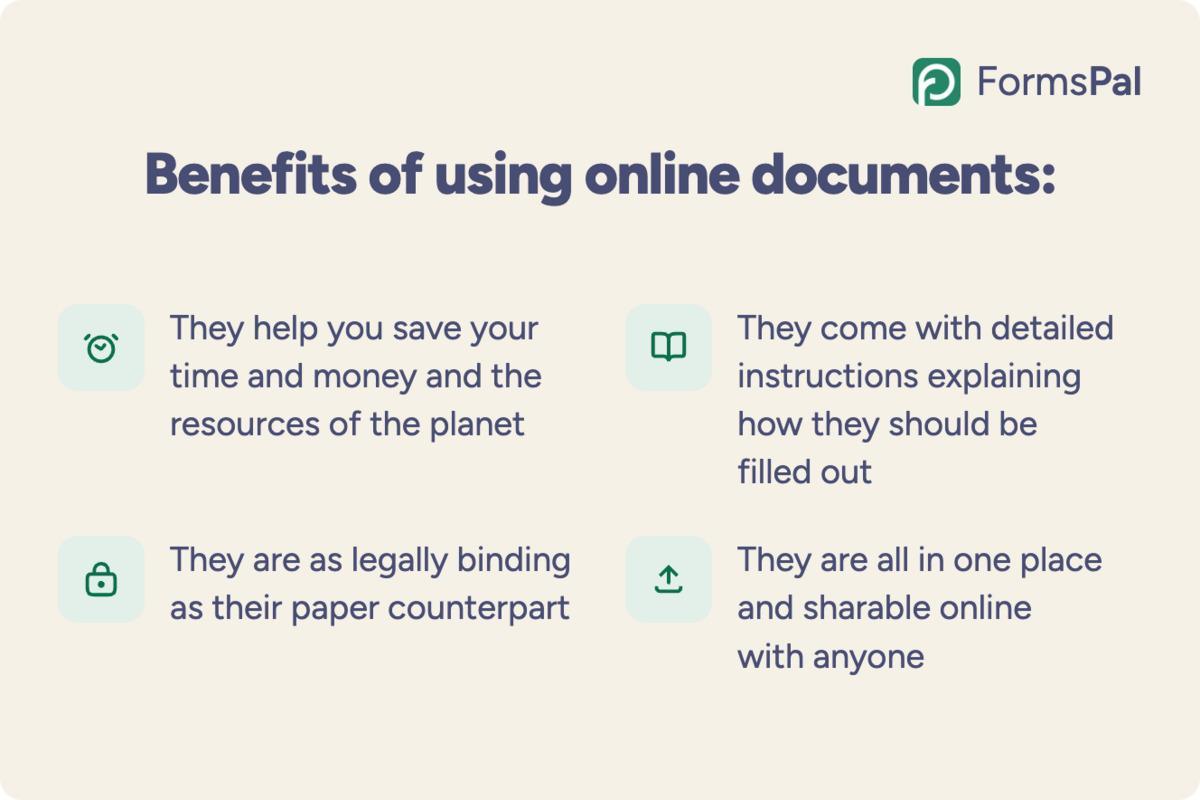
Online forms include detailed instructions on how to fill them out, so you don’t have to guess or feel frustrated.
Virtually anyone could use online forms to settle their medical needs. You can also help your elderly parents or grandparents manage important documentation from home by guiding them through the online process.
Related Posts: