

Living with a disability can affect many parts of everyday life, including work, education, transportation, health care, and access to services.
This raises an important question: are public institutions and other organizations doing enough to make their services accessible? In many cases, barriers still remain.
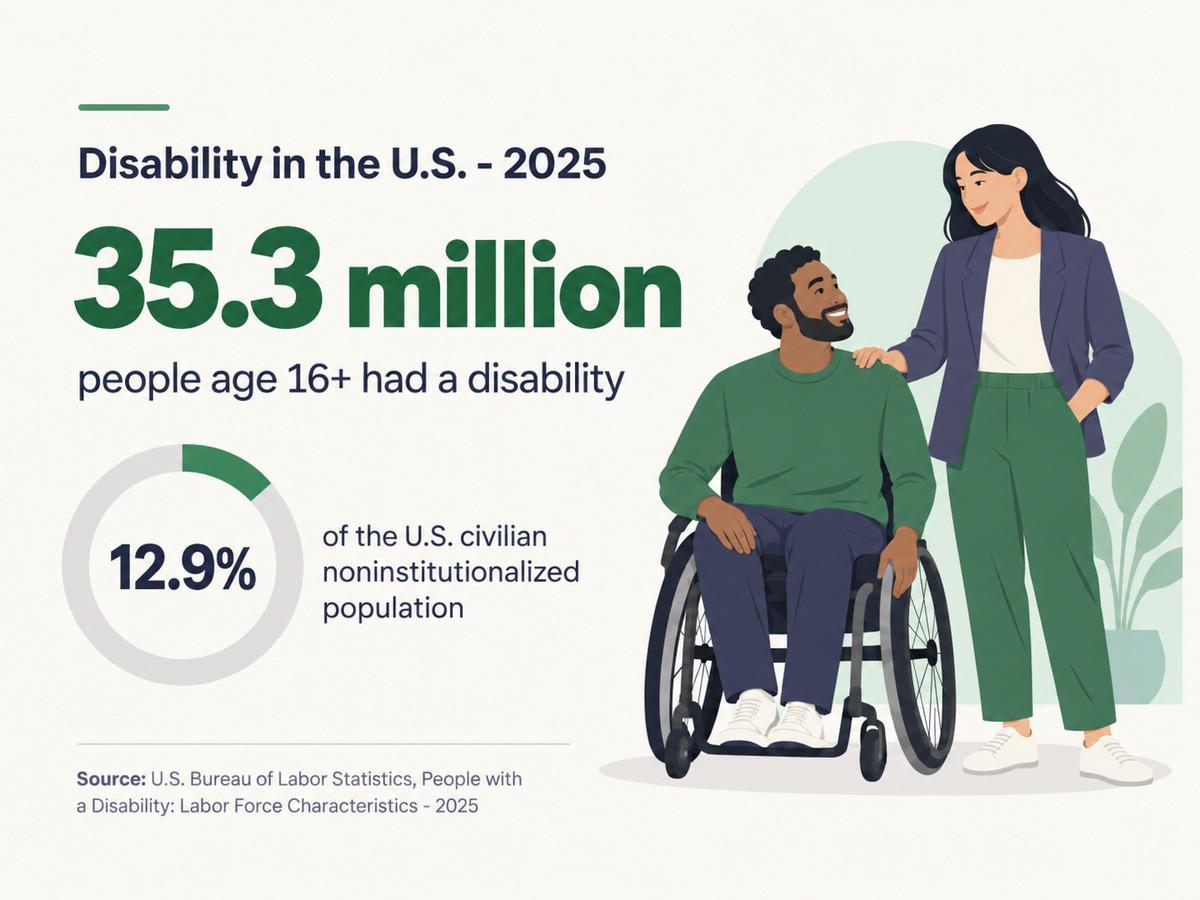
People with disabilities deal with many of the same documents as everyone else, including rental agreements, car insurance forms, vehicle sale documents, living will forms, DNR orders, and other medical records. These tasks may become more difficult when an office, website, transportation option, or document process isn’t fully accessible. In those cases, the barrier comes from the system itself, not from the person using it.
Some people with disabilities may need to manage additional medical, insurance, or support-related documents. Barriers arise when forms aren’t accessible, websites don’t work well with assistive technology, offices are difficult to enter or use, or a process requires an in-person visit.
Accessible online forms will give you more choice in how and where you review, complete, and sign documents.
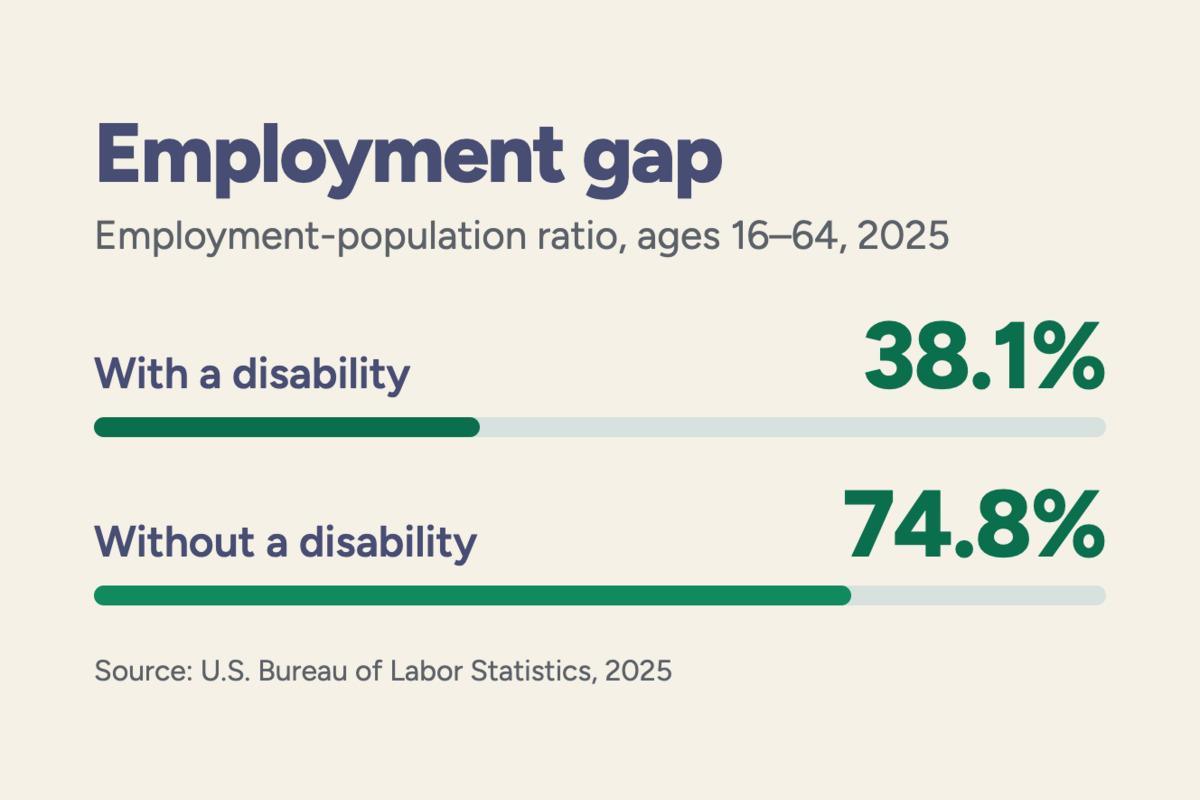
Employment still looks very different for people with disabilities.
Lower employment rates may also make legal fees, filing costs, and other everyday expenses harder to manage. At the same time, plenty of routine tasks still come with forms, applications, supporting records, or signatures. Online legal documents and fillable PDF forms give people another way to handle many of those tasks without making an extra trip to an office.
Disability-related benefits and support programs may also involve more than one form. Someone might need to provide medical records, work history, identification, or updated information during an appeal. Having those documents online makes it easier to work on them at home, save copies, and come back later if something is missing.
Then there’s the language itself. Legal and administrative forms often use terms that feel unfamiliar or overly technical. When online forms include useful instructions and simple explanations, the process feels less intimidating and much easier to follow from start to finish.
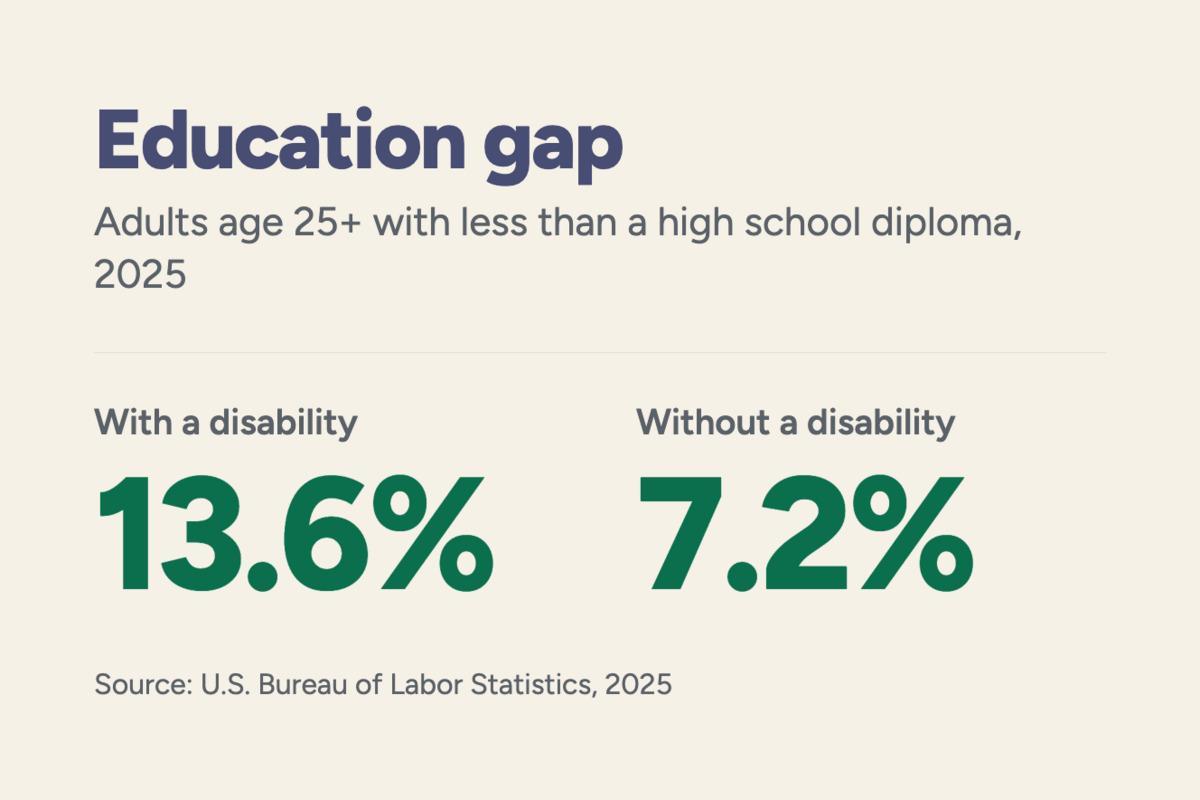
Legal services and forms can be expensive, but price is not the only issue. Many tasks still require a trip to an office or government agency, and that may be difficult for people with disabilities when transportation, entrances, waiting areas, or building layouts are not accessible.
Even when a building has a ramp, other parts of the visit may still create problems. An office may lack an elevator, accessible seating, lower service counters, or enough space for someone using a wheelchair or other mobility device.
People who are deaf, hard of hearing, blind, or have low vision may face different barriers at places like the DMV or courthouse. Information may not be available in an accessible format, and interpreters or other communication support may not always be available when needed.
Language also matters, especially for people who feel more comfortable reading or speaking Spanish or another language. Smaller offices and rural locations may have fewer translation options available.
Online forms give people another way to handle many of these tasks from home. They may use assistive technology, take more time to read instructions, and choose information in a language that works better for them.
For many people with disabilities, online access means fewer trips, less time spent waiting, and more choice in how they manage important documents.
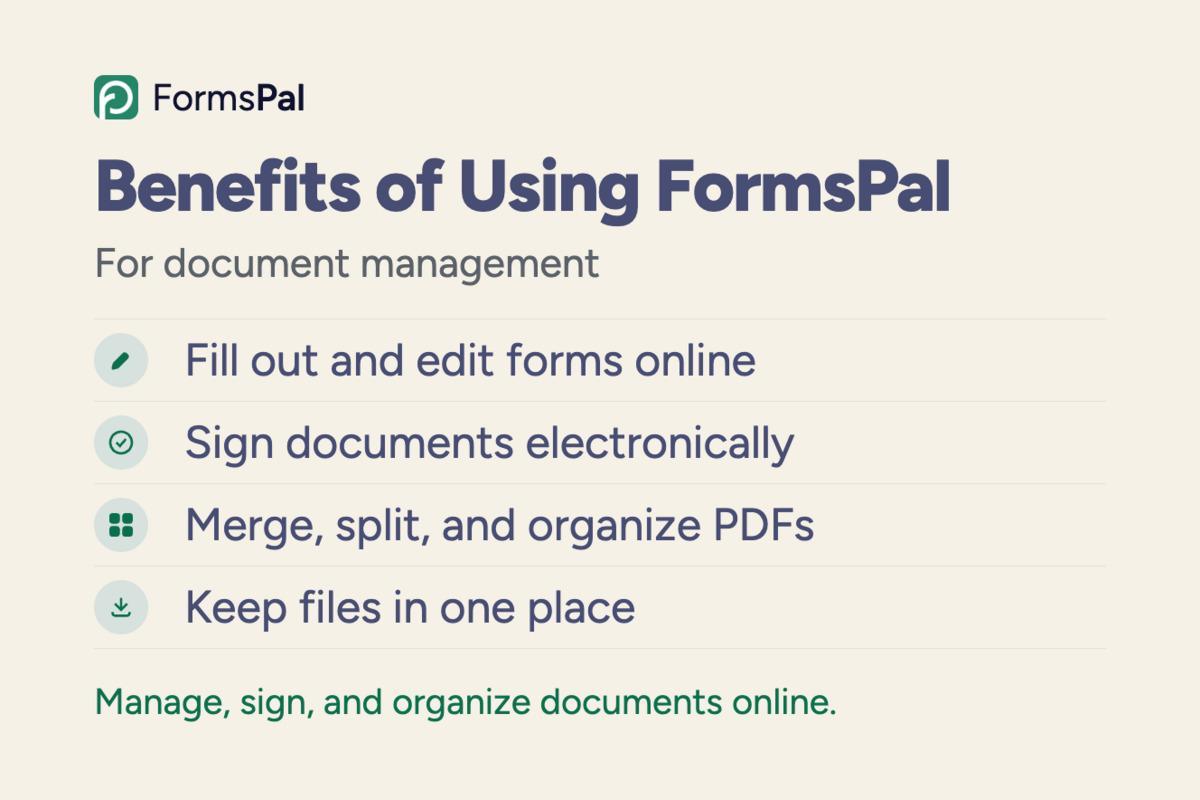
Online document tools make everyday paperwork more convenient, especially when visiting an office or dealing with printed forms becomes difficult. We’re offering a free 3-month FormsPal subscription to visitors who find us through this disability-support page.
FormsPal lets you fill out, edit, sign, save, and manage documents online from home or another convenient location. Built-in PDF tools also let you convert, merge, split, and organize files in one place.
To claim your free subscription, email support@formspal.com and let us know how you heard about this offer.
Online documents and forms are the digital alternatives to their paper versions.
Electronic signatures make it easier to complete many documents online without printing or mailing them. For many transactions, they carry the same legal effect as handwritten signatures, as long as the form or agency accepts them.
Some forms that may be useful for people with disabilities include:
Online access makes many important forms easier to find without an office visit. FormsPal offers thousands of legal, medical, financial, and personal forms in one place, including both commonly used documents and forms needed for more specific situations.
Related Posts: