
Updated:
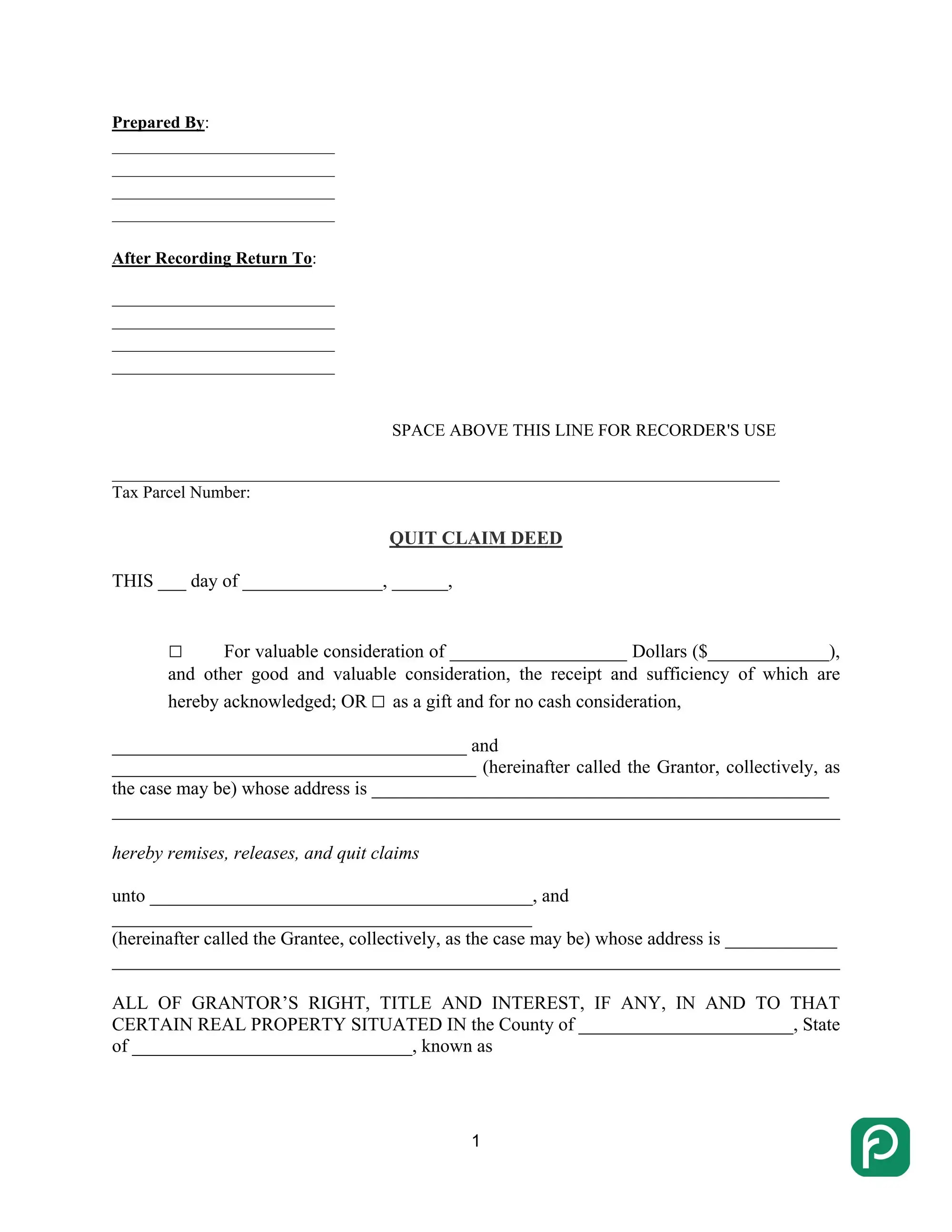
A Tennessee quitclaim deed is a written document that transfers the grantor's interest in a piece of land to the grantee. The statutory form in Tenn. Code Ann. § 66-5-103(2) quitclaims “all my interest in the following land.”[1.3] The grantor gives up the property and the grantee receives it. The deed suits transfers between people who know and trust each other.
Build Your Document
Answer a few simple questions to make your document in minutes
Save and Print
Save progress and finish on any device, download and print anytime
Sign and Use
Your valid, lawyer-approved document is ready
People often use a printable deed form to move real estate from their own name into a trust, their own company, or a family member's name. Our free quitclaim deed builder lets you fill in the details online, then print and sign the deed.
Tennessee law gives sample wording for a quitclaim deed in Tenn. Code Ann. § 66-5-103.[1.2] A deed of conveyance for land is not good as to strangers unless the grantor acknowledges it or two witnesses prove it under oath. The county register must also register it.[1.4] Strangers are people who are not parties to the deed.
Under Section 66-5-103, the following or other equivalent forms, varied to suit the precise state of facts, are sufficient for the purposes contemplated. In plain words, an equivalent deed that makes the transaction clear is not invalid just because it uses different wording.[1.2]
For a quitclaim deed, the statute gives this wording:
For a quitclaim deed: “I hereby quitclaim to A. B. all my interest in the following land” (describing it)
In plain words, the statutory form in Tenn. Code Ann. § 66-5-103(2) quitclaims “all my interest in the following land,” with the land described in the deed.[1.3]
Quitclaim or quit claim? Both spellings name the same document. The Tennessee statute writes it as “quitclaim deed.”
Under Tenn. Code Ann. § 66-5-106, a deed of conveyance for lands is not good as to strangers unless the vendor acknowledges it or two witnesses prove it upon oath, and the register of the county where the land lies registers it. The statute calls the person who signs over the land the vendor, which on a quitclaim deed is the grantor. Here is the rule in the statute's own words:
No deed of conveyance for lands, in whatever manner or form drawn, shall be good and available in law, as to strangers, unless it is acknowledged by the vendor, or proved by two (2) witnesses upon oath, in the manner prescribed in chapters 22 and 23 of this title, and registered by the register of the county where the land lies.
In plain words, the deed needs two things before it is good against people who are not parties to it:
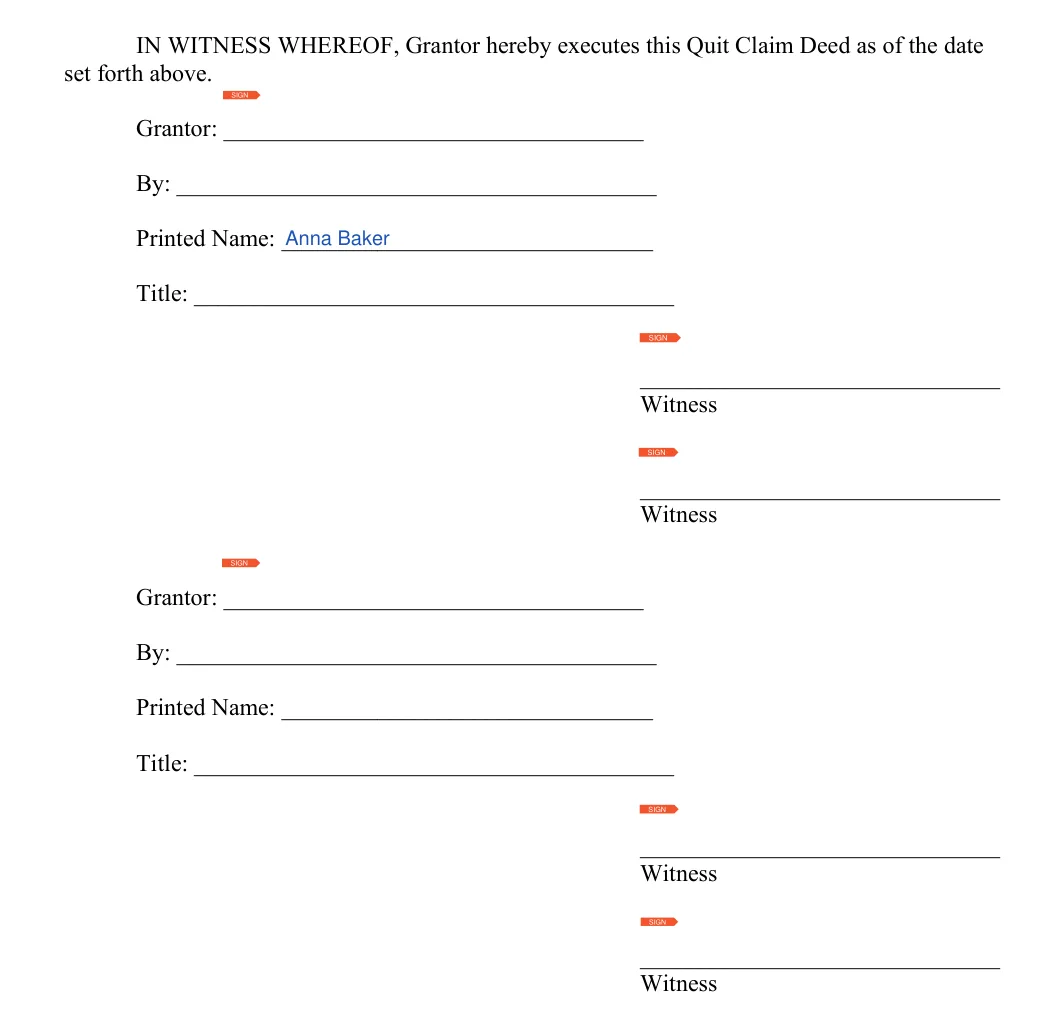
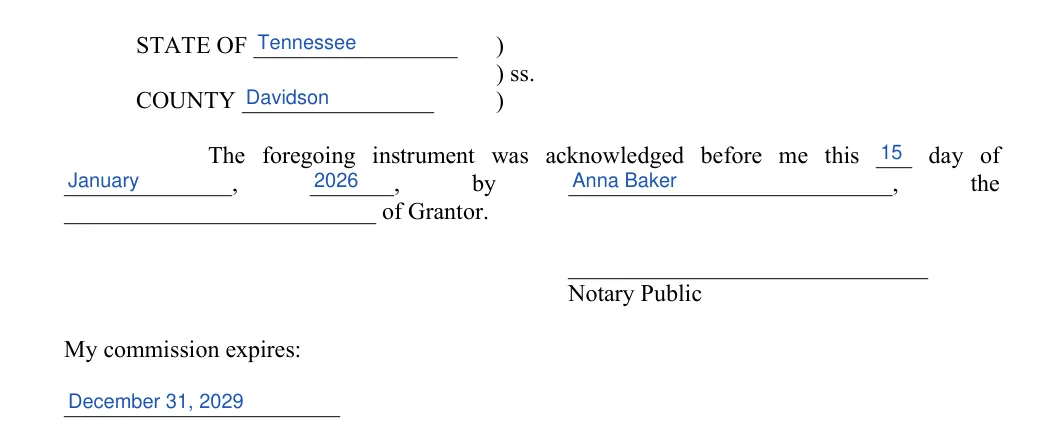
Our form has two witness lines under each grantor on page 4 and a notary acknowledgment on page 5. The steps below show where each one goes. For more on the notary block, see our Tennessee notary acknowledgment page.
The same section also requires registration. A deed of conveyance for land is not good as to strangers until the register of the county where the land lies registers it.[1.4]
Do not stop at signing. A deed that is signed but never registered is not good as to strangers.[1.4]
Contact the register's office in the county where the property is located to ask how it accepts deeds. Need a different type of deed? See our general warranty deed, special warranty deed and gift deed forms.
Except for instruments filed under the Uniform Commercial Code, the county register is entitled to a fee of two dollars ($2.00) for each instrument recorded or filed in the register's office under Tenn. Code Ann. § 8-21-1001(c), in addition to the recording fees set by § 8-21-1001(b).[1.5]
The grantee also pays a state recordation tax on the transfer, which the county register collects before recording it. For a quitclaim deed the tax is based only on the actual consideration given (Tenn. Code Ann. § 67-4-409(a)(1)).[1.6]
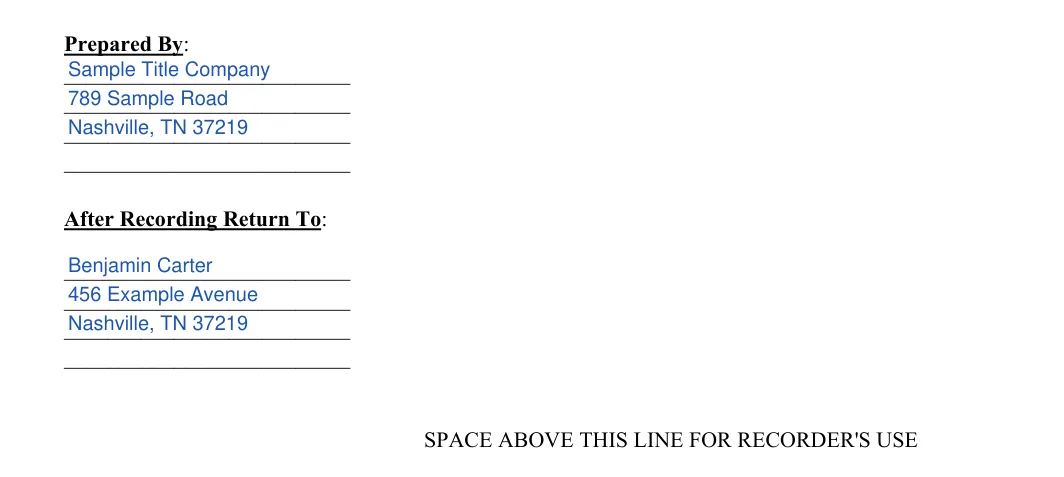
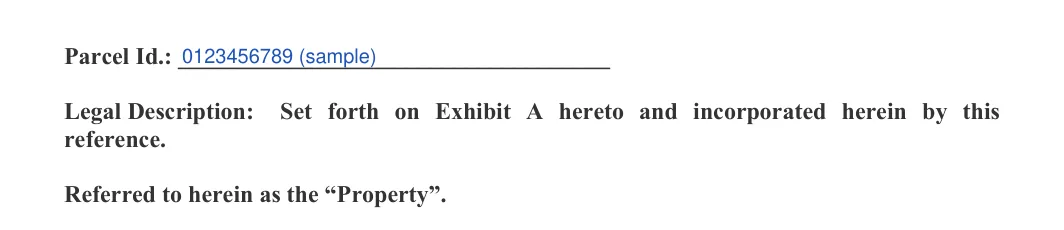
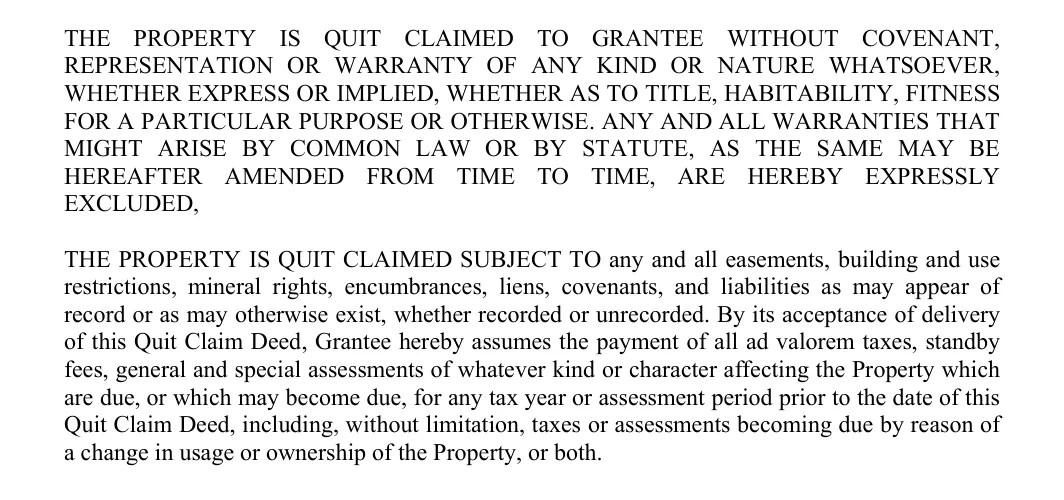
The screenshots under each step show the FormsPal Tennessee quitclaim deed template filled with sample entries in blue, so you can see where each answer goes. The names, addresses, dates and amounts are examples only.
To fill out the Tennessee quitclaim deed form, work through it in page order. Start with the top of page 1, then the property details, the signature block on page 4 and the notary block on page 5. When the deed is signed and acknowledged, take it to the register of the county where the land lies.






After signing, take the deed to the register of the county where the land lies, as described under Registering the Deed above.
Readers most often ask how to complete a quitclaim deed in Tennessee. The answer below follows the statutory wording and the steps above, and it covers only what the statute says. For anything beyond that, ask the county register's office or a lawyer.
Fill in the deed using the statutory wording, “I hereby quitclaim to A. B. all my interest in the following land,” followed by a description of the land.[1.3] Then sign it and have it acknowledged or proved by two witnesses under oath, and have the county register register it.[1.4] The steps above walk through our form field by field.

Other Quitclaim Deed Forms by State
General information, not legal or tax advice.
