
A Minnesota promissory note is a written promise to repay a loan. The borrower signs it, and the lender keeps it as proof of the debt. It records the sum lent, the interest rate, and when payments are due. Minnesota limits the interest a lender may take in Minn. Stat. § 334.01, with exceptions for loans of $100,000 or more.[1] This Minnesota promissory note template lets you fill out the form online or download it as a PDF.
Last Updated: October 2026. This guide is reviewed and updated regularly to reflect current Minnesota law. If you notice an error or outdated information, please contact us.
Build Your Document
Answer a few simple questions to make your document in minutes
Save and Print
Save progress and finish on any device, download and print anytime
Sign and Use
Your valid, lawyer-approved document is ready
Minnesota's limit on interest is in Minn. Stat. § 334.01. A lender may not take more than $8 on $100 for one year for a loan, which works out to 8% a year. The same ceiling applies to an agreement that extends the maturity date. Loans of $100,000 or more under a signed written contract, and certain employee benefit plan contracts, fall outside the limit.[1]
The $8 on $100 figure is a ceiling, not the legal rate. Under Minn. Stat. § 334.01, subdivision 1, the interest for any legal indebtedness is $6 upon $100 for a year, which is 6% a year, unless a different rate is contracted for in writing.[1]
Minnesota sets the ceiling in a single sentence. Minn. Stat. § 334.01 reads:
No person shall directly or indirectly take or receive in money, goods, or things in action, or in any other way, any greater sum, or any greater value, for the loan or forbearance of money, goods, or things in action, than $8 on $100 for one year.
In plain words, a lender may not collect more than $8 for each $100 lent for a year. That holds whether the lender is paid in money, goods, or things in action.[1]
Example. Anna Baker lends Ben Carter $1,000 for one year. At $8 on $100, the most she may take for that year is $80.[1]
The maturity date is the day the whole unpaid balance comes due. Parties sometimes sign an agreement that pushes that day back. The statute limits the interest in such an agreement:
Any agreement which extends maturity date of any contract, note or instrument shall not provide for an increased rate of interest in excess of $8 on $100 for one year.
In plain words, an extension may not raise the rate above $8 on $100 for one year.[1]
The statute also says how interest is computed on a note. It reads:
In the computation of interest upon any bond, note, or other instrument or agreement, interest shall not be compounded, but any contract to pay interest, not usurious, upon interest overdue, shall not be construed to be usury.
In plain words, interest on a note is not compounded. A contract can still provide for interest on interest that is overdue. That is not usury, as long as the interest itself is not usurious.[1]
Minnesota lifts the limit for large written contracts. The statute reads:
No limitation on the rate or amount of interest, points, finance charges, fees, or other charges applies to a loan, mortgage, credit sale, or advance made under a written contract, signed by the debtor, for the extension of credit to the debtor in the amount of $100,000 or more, or any written extension and other written modification of the written contract.
In plain words, three things come together. The contract is in writing, the debtor signs it, and the credit is $100,000 or more. Then no limit applies to the rate or amount of interest, points, finance charges, fees, or other charges. The same is true of a written extension or other written change to that contract.[1]
Do not assume the $8 on $100 limit fits every loan. Check the exceptions in § 334.01 first, such as the $100,000 contracts above and the plan contracts below.[1]
A contract for the loan of money, goods, or things in action is exempt from the provisions of the chapter when it meets two tests. It was entered into on or after December 31, 1974. It is between a participant, former participant, or beneficiary and a plan that is subject to the Employee Retirement Income Security Act of 1974. The exemption also covers extensions and related changes in the contract's terms.[1]
| Document Name | Minnesota Promissory Note Form |
| Other Name | MN Promissory Note |
| Max. Rate | $8 on $100 for one year (8% a year)[1] No limit for a signed written contract of $100,000 or more[1] |
| Relevant Laws | Minnesota Statutes, Section 334.01 |
| Avg. Time to Fill Out | 10 minutes |
| # of Fillable Fields | 28 |
| Available Formats | Adobe PDF |
Popular Local Promissory Note Forms
When lending or borrowing money, consider signing a promissory note. It is a simple legal document commonly used by companies and people in all states. Here are the state promissory note templates our users research the most.
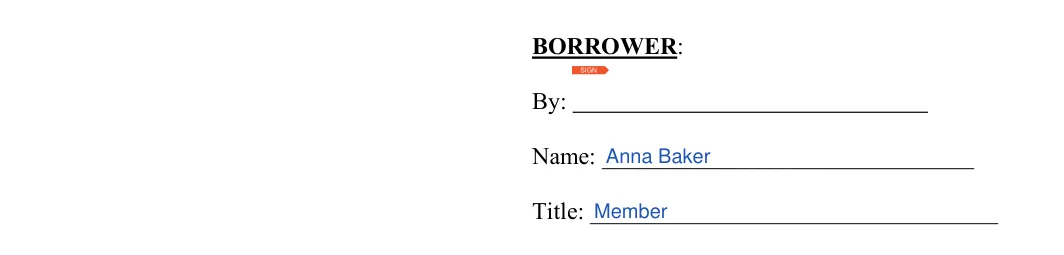
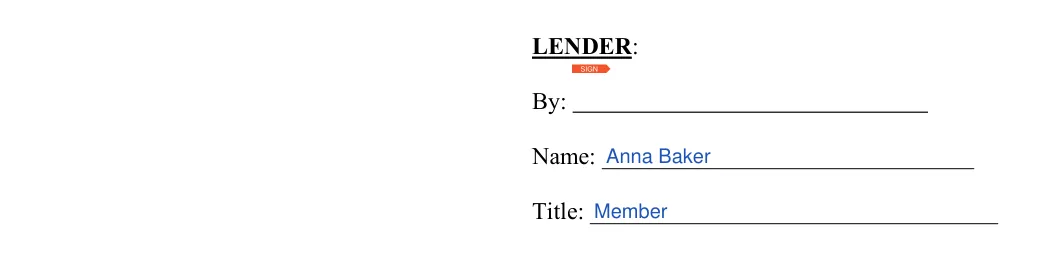
This fillable PDF has three form pages and 28 fillable fields. It covers the sum lent, the parties, the interest rate, the repayment schedule, the maturity date, security for the loan, and two signature blocks. You can complete it on screen or print it and write by hand.
The form asks two questions about payments. The first is how often payments are made, either monthly or quarterly. The second is what each installment looks like. A fixed payment is the same amount every period, such as $100 a month. An amortization schedule spreads the loan over a set number of years, and each installment is listed on Exhibit A.
Whichever plan you choose, write the maturity date on the form. That is the day when anything still unpaid is due in full.
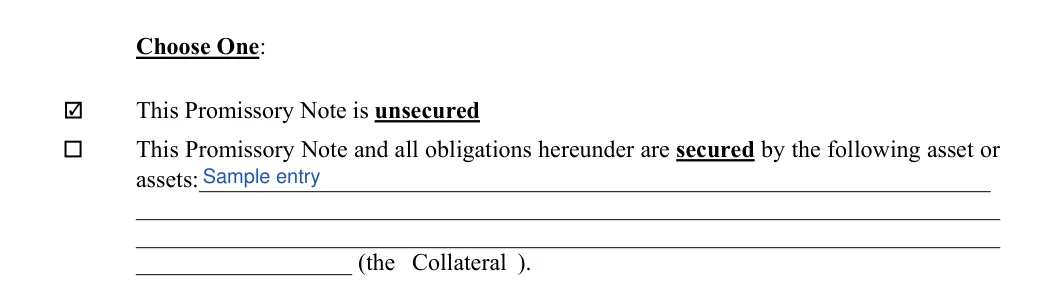
A secured note names property that the borrower pledges as collateral, such as a car, equipment, or savings. An unsecured note pledges no property, so the lender relies on the promise to repay alone. People often choose an unsecured note for a loan to someone they know well.
A secured note takes a little more work. You describe the collateral on the lines on page 2, so name each item clearly. For a vehicle, give the make, model, and year. A clear description makes it easy to match the note to the property it covers.
The form also carries standard terms that you do not fill in. It says the borrower may prepay the note at any time, in whole or in part, without a penalty. It says the lender may charge a late fee of 5% on any delinquent amount. It says the note is governed by the laws of Minnesota and that the lender may assign it. Read these terms before you sign, because they are part of the document both sides agree to.
The table below shows how one set of entries could look on the Minnesota form. The names and figures are made up for the example.
| Form field | Sample entry |
|---|---|
| Date | October 1, 2026 |
| Principal Amount | $1,000 |
| Lender | Anna Baker |
| Borrower | Ben Carter |
| Rate per annum | 5% |
| Payment due day | The 1st day of each calendar month |
| Payment amount | Fixed payment of $100 |
| Maturity Date | August 1, 2027 |
| Security | Unsecured |
Most problems with a promissory note come from small gaps in the form. Check each of these before you sign:
The Minnesota promissory note PDF has 28 fillable fields across three pages. Work through it section by section, from the principal amount to the two signatures. The six steps below follow the form, and each one shows the form filled in with sample entries.
The screenshots under each step show the FormsPal Minnesota promissory note template filled with sample entries in blue, so you can see where each answer goes. The names, addresses, dates and amounts are examples only.
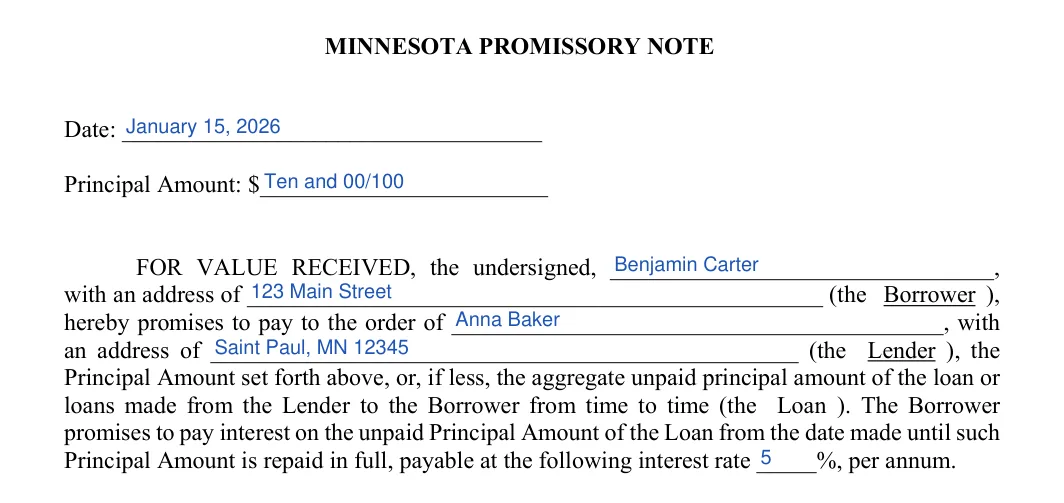
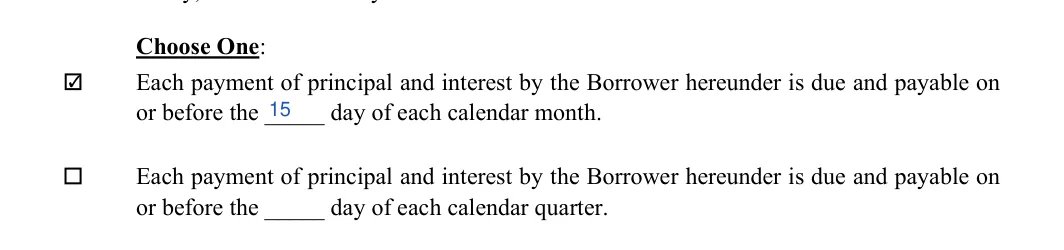
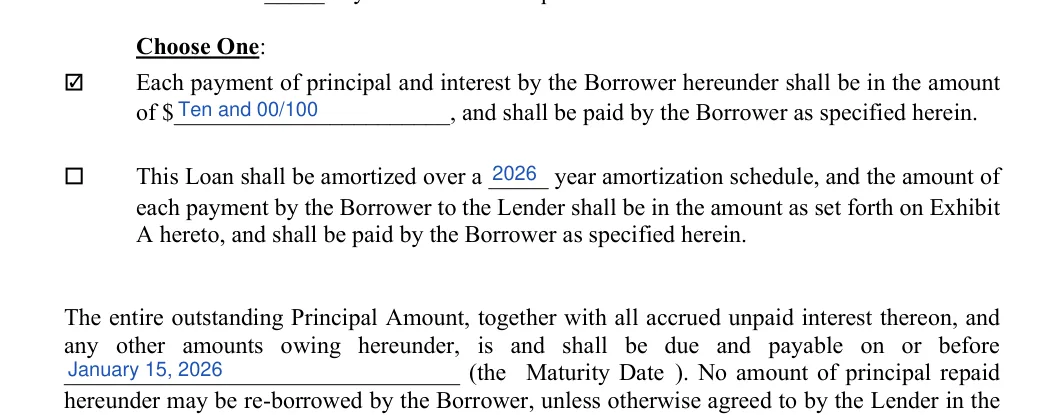
To type into the downloaded PDF, use our online PDF editor. For a general overview of the document and a template for every state, see our sample promissory note template.
These questions cover the interest rules that readers ask about most when they prepare a loan note in this state. Each answer comes from Minn. Stat. § 334.01, which is listed in the sources at the end of the page.
The Minnesota rules covered here are the interest limits in Minn. Stat. § 334.01. A note has to respect these five rules:
The rest comes down to the terms you and the other party agree on. The sections above explain how to record them on the form.[1]
Under Minn. Stat. § 334.01, no person may take more than $8 on $100 for one year for a loan, which is 8% a year. An agreement that extends the maturity date may not increase the rate above that figure. A signed written contract for credit of $100,000 or more has no limit on the rate or amount of interest.[1]

General information, not legal or tax advice.
